
Last updated November 2, 2026
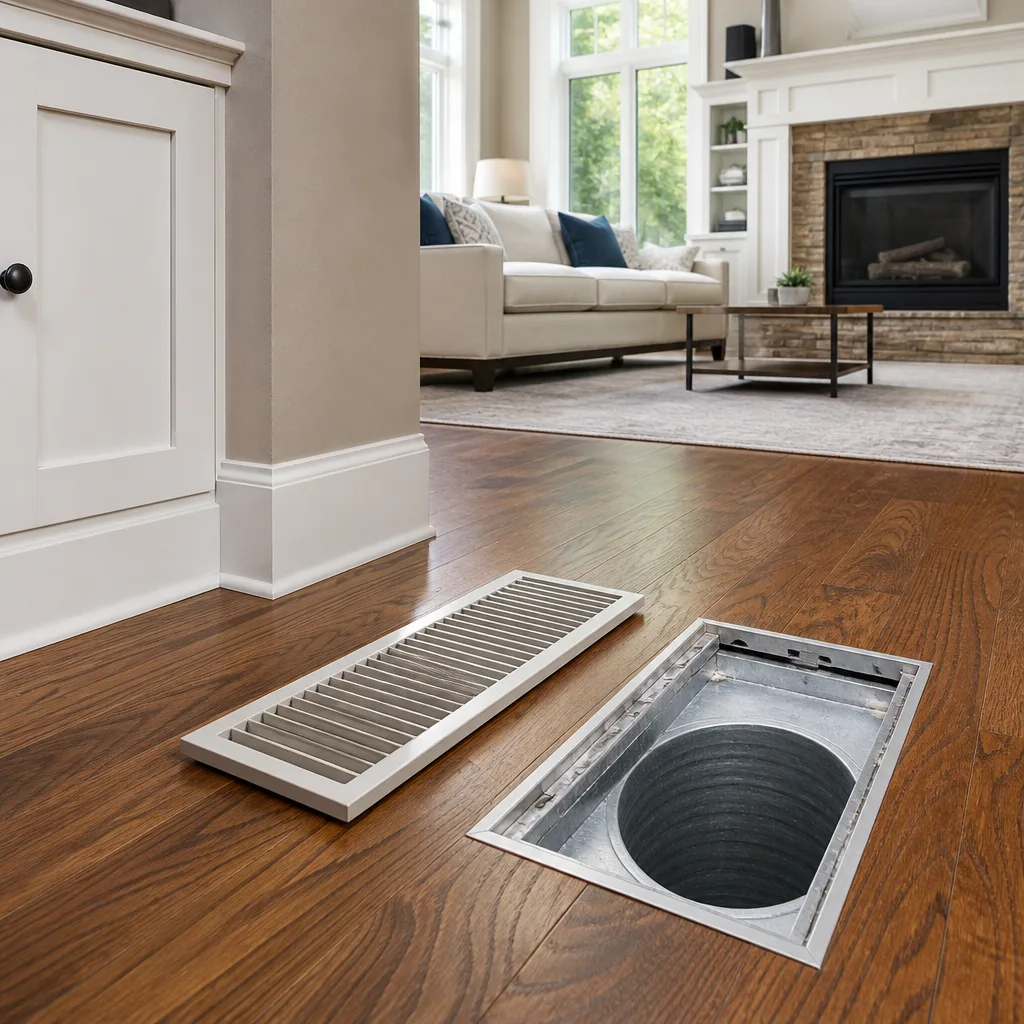 Whole-home duct cleaning
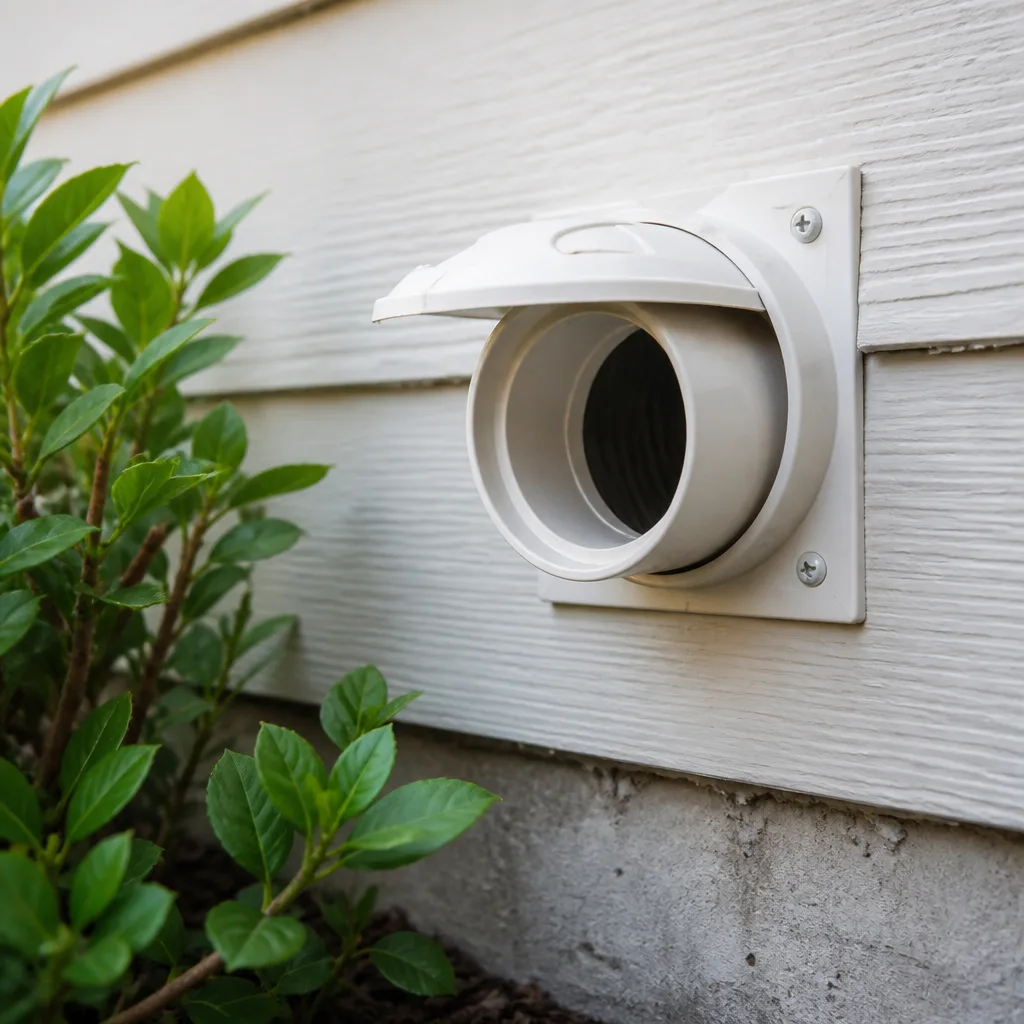 Dryer vent cleaning
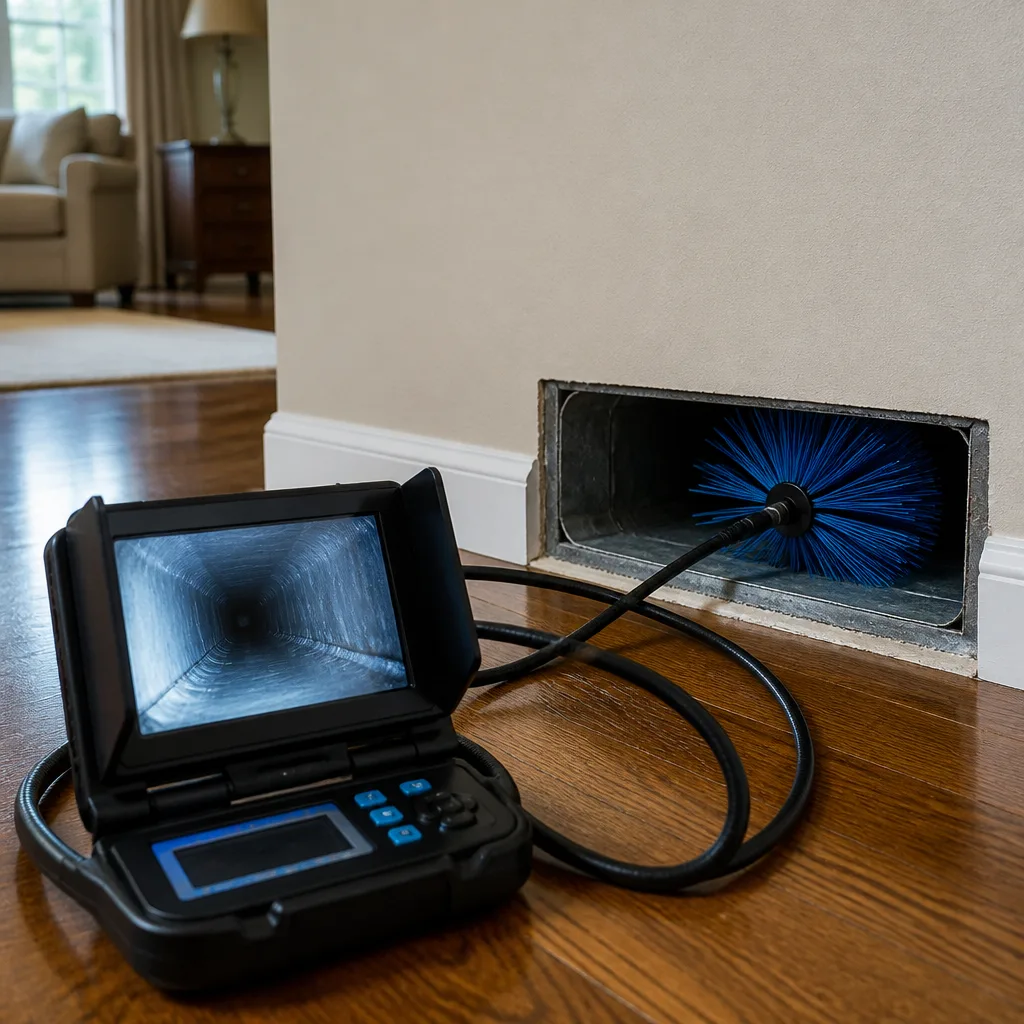 Camera inspection
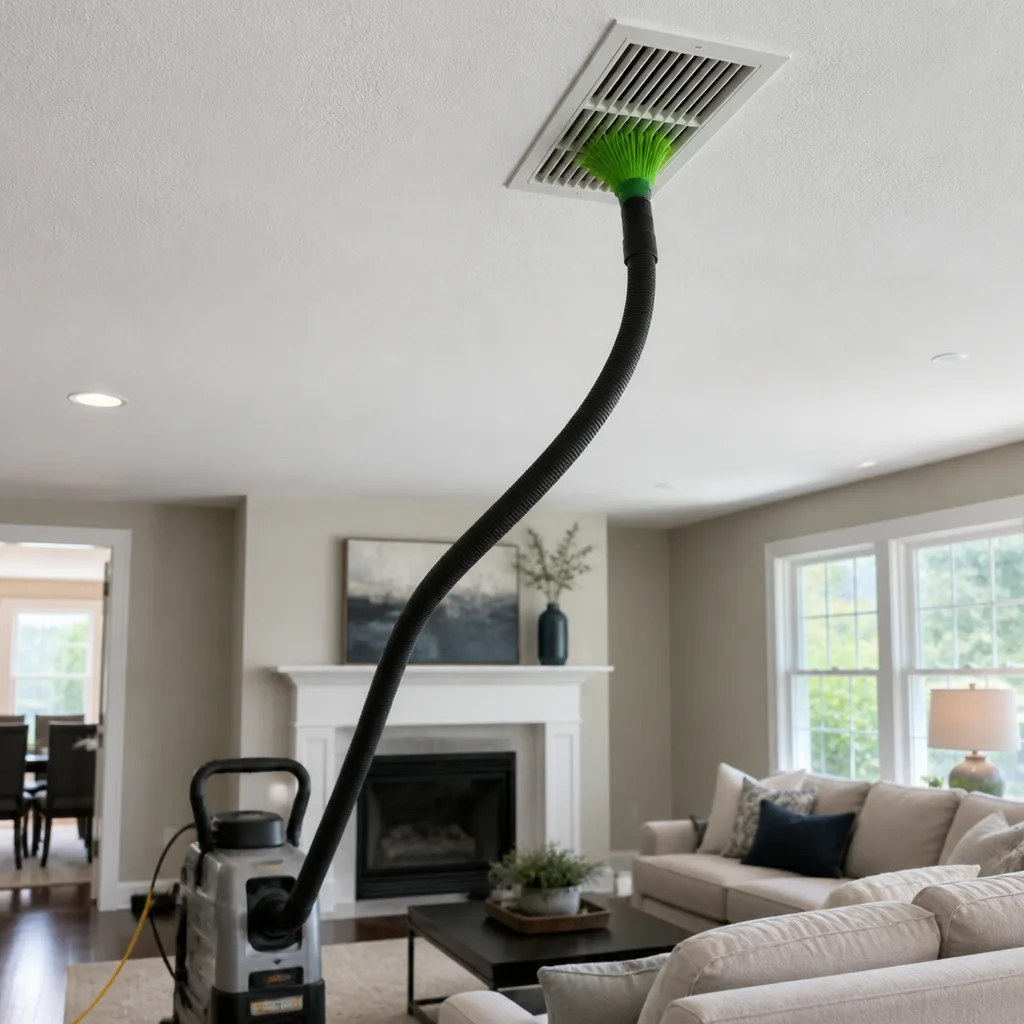 Sanitizing & deodorizing
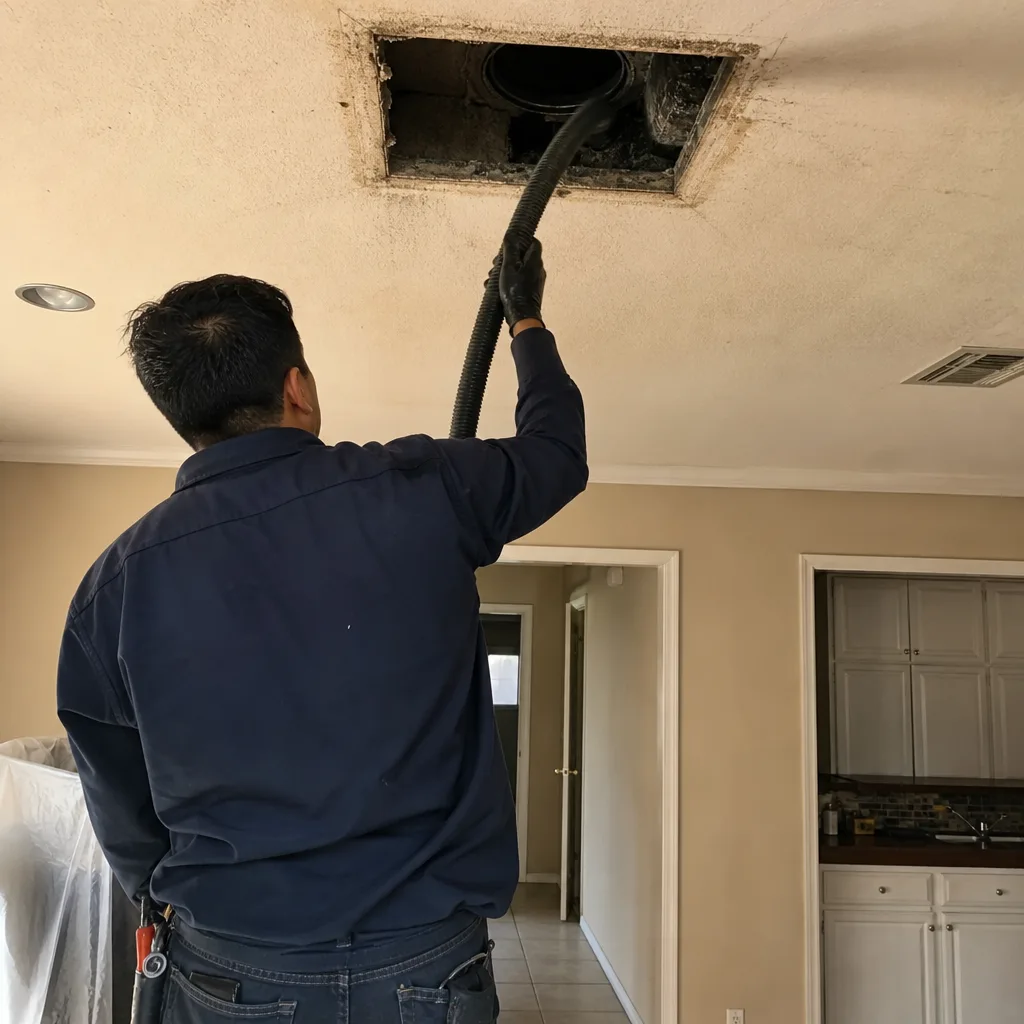
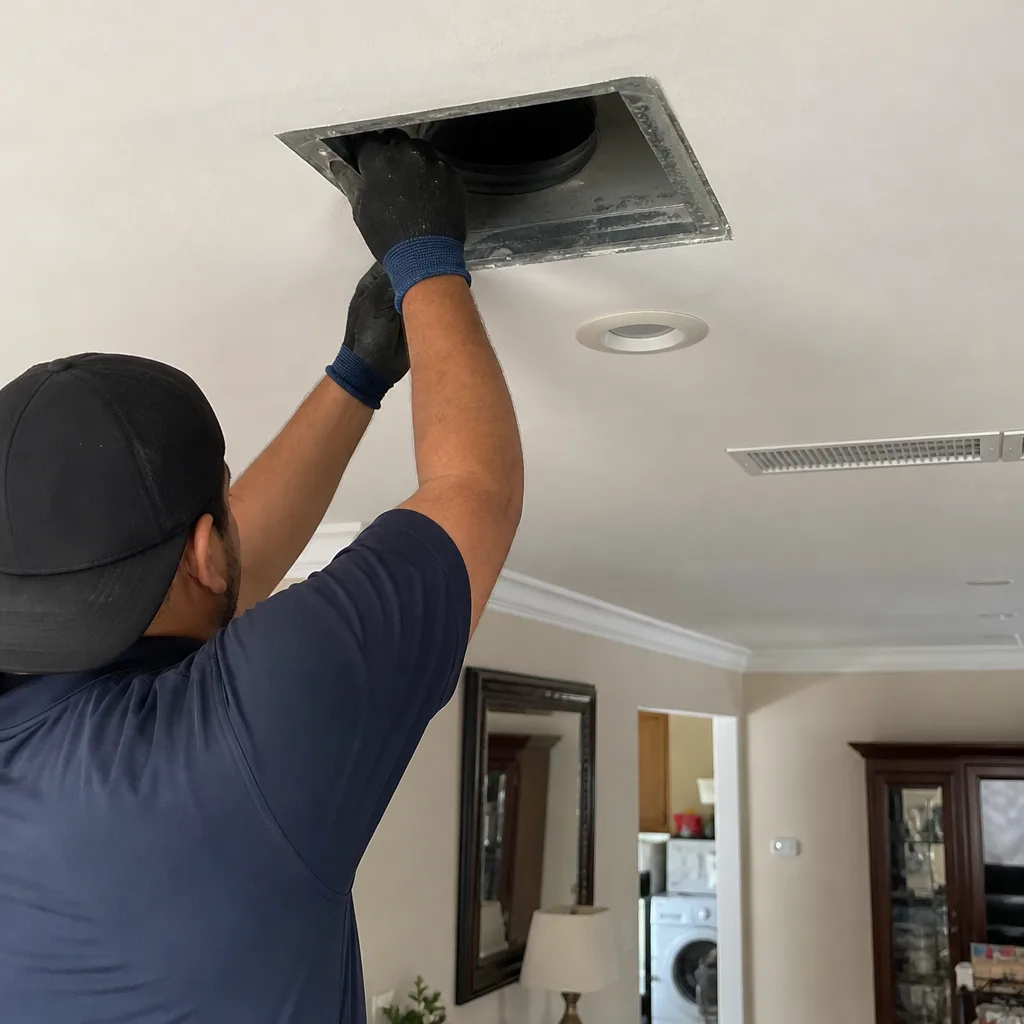
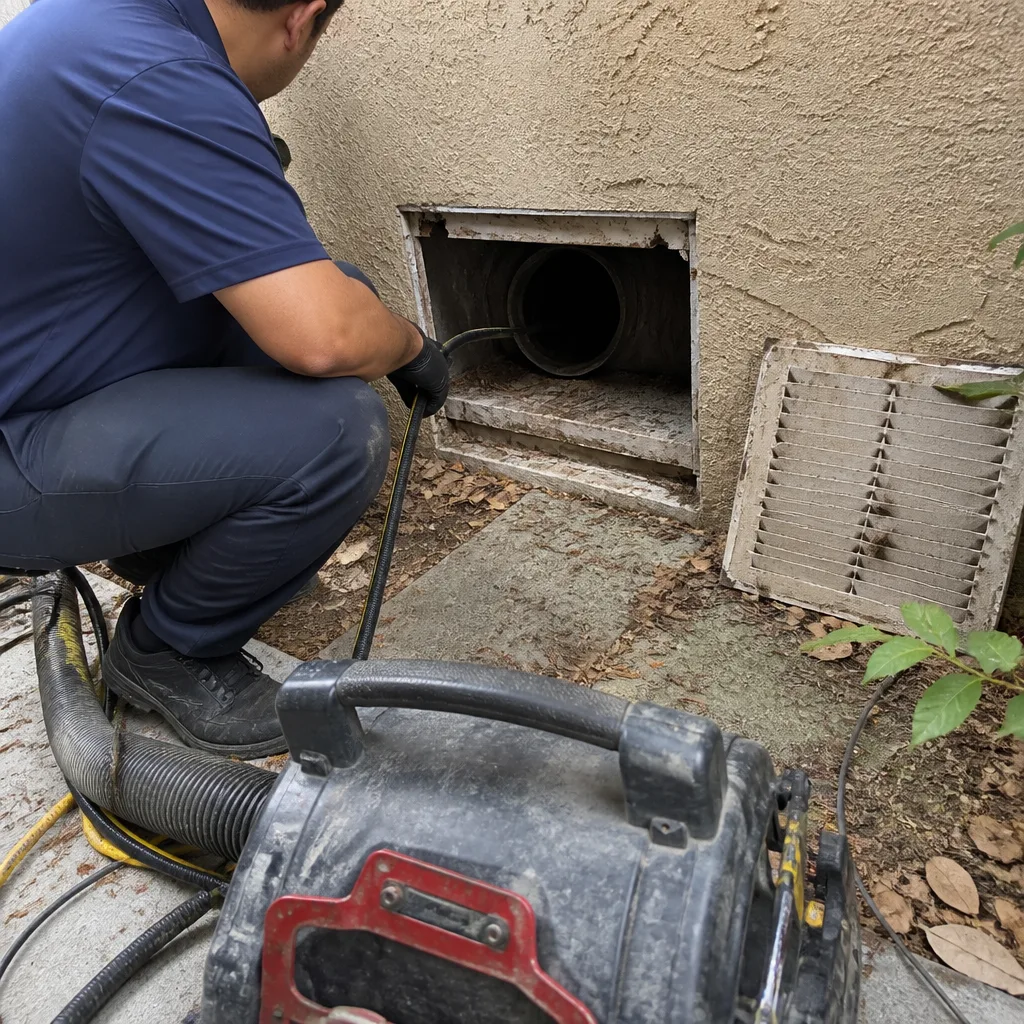
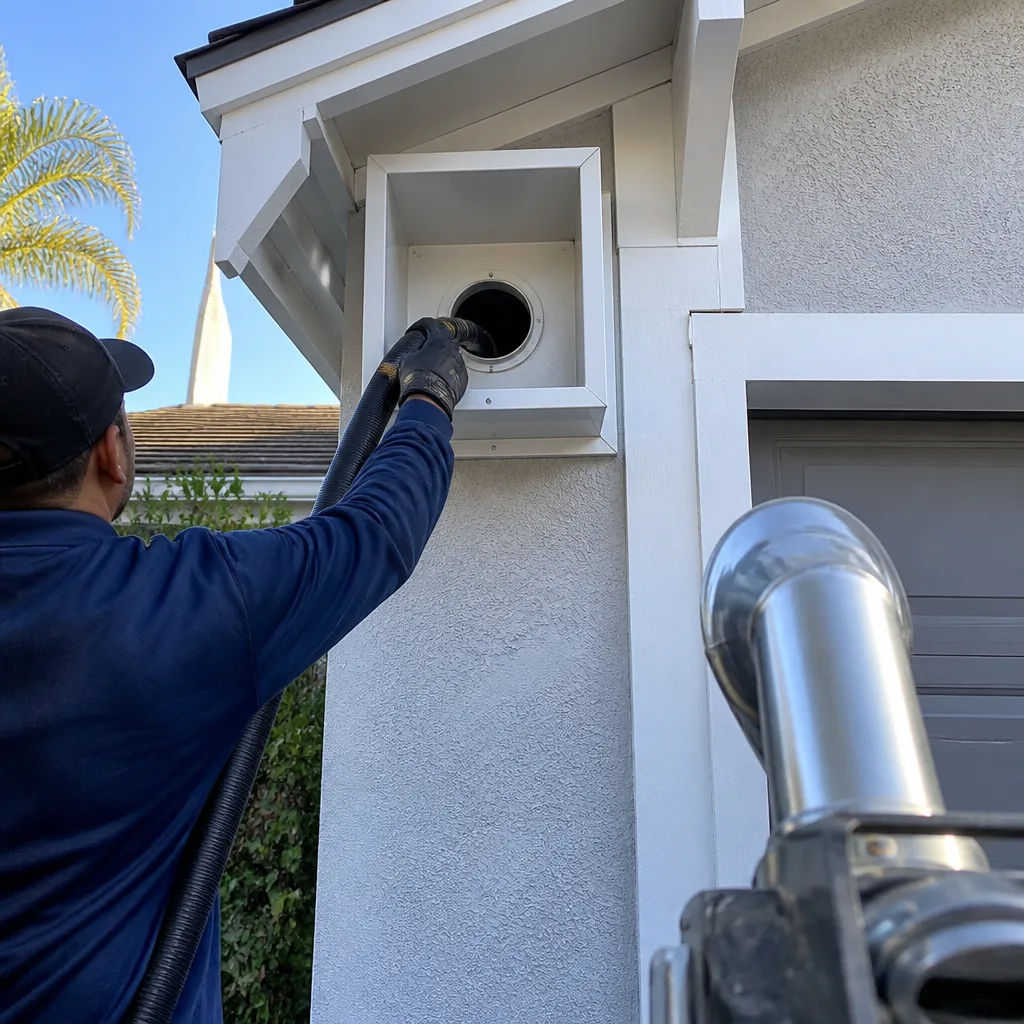
Whole-system duct and dryer vent check with before-and-after photos - you see exactly what came out of your vents
That "$99 whole-house special" is a bait ad - the real number appears once they are in your hallway, or the "clean" is a shop-vac at the register. We photograph the inside of your ducts before and after instead.
Seasonal Air Duct Cleaning Care for Anaheim: Year-Round Homeowner’s Guide
Most homeowners think of duct cleaning as a once-a-year checkbox, but Anaheim doesn’t operate on a textbook calendar. The city’s climate cycles through four distinct phases that each stress your ductwork in a different way, and the homeowner who maps maintenance to those phases gets measurably better results. The counterintuitive part? Anaheim’s mild “cool season” is actually the highest contamination-risk period of the year, because idle HVAC systems let marine-layer moisture do quiet damage that nobody sees until the furnace kicks on in late fall. This guide breaks down the real seasonal behavior of duct systems in Anaheim, what to watch for in each phase, and how to time Air Duct Cleaning so you’re not paying for work the season will undo.
Styles & brands we work with
- Whole-home duct cleaning
- Dryer vent cleaning
- Camera inspection
- Sanitizing & deodorizing
Quick Answer
In Anaheim, the most effective duct cleaning schedule follows the city’s four climate phases rather than a generic calendar: inspect filters every 3 weeks during the May – September cooling season, check return-air grilles after every Santa Ana wind event from October – November, run a pre-heating inspection before the first furnace cycle of December, and book professional cleaning during the March – April shoulder season when HVAC demand is lowest and contractor availability is best. This timing approach prevents the two biggest Anaheim-specific problems: marine-layer moisture accumulating in idle ducts during cool months, and Santa Ana grit recirculating through the system the moment heating starts. For a detailed cost analysis, see our Air Duct Cleaning Cost Breakdown: The Anaheim Homeowner’s Reference for 2026.
Table of Contents
- Why Anaheim’s Climate Demands a Different Duct Schedule
- Phase 1: May – September (Cooling Season)
- Phase 2: October – November (Santa Ana Season)
- Phase 3: December – February (Heating Season Onset)
- Phase 4: March – April (Shoulder Season)
- Coordinating Duct Cleaning with Filters and HVAC Tune-Ups
- Common Mistakes to Avoid
- When to Call a Professional
- Frequently Asked Questions
- The Bottom Line
Why Anaheim’s Climate Demands a Different Duct Schedule
Anaheim sits roughly 12 miles inland from the Pacific, which means it gets the marine layer without the full coastal temperature buffer. Summer highs routinely push into the 90s from July through September, while winter nights can dip into the low 40s. That’s a 50-degree seasonal swing, and your ductwork feels every degree of it. The ducts in a typical Anaheim home run through the attic, where temperatures can exceed 130 degrees in summer and drop near freezing on clear winter nights. That thermal cycling causes expansion and contraction at every joint and seam, which gradually loosens connections and creates gaps that pull in attic dust, insulation fibers, and whatever else is up there.
But the bigger issue is moisture. Anaheim’s marine layer arrives most mornings from late spring through early fall, pushing relative humidity in attic spaces high enough to condense on the exterior of uninsulated or poorly insulated duct runs. When the AC isn’t running, that condensation sits. Over time, it creates a thin film on the interior duct surface that captures and holds fine dust particles that would otherwise pass through the system. By the time the heating season arrives, that dust has been sitting in a humid environment for months. This is why Anaheim homeowners often notice a musty smell from the vents the first time the heat cycles on, even if they changed filters religiously all summer. The odor isn’t coming from the filter. It’s coming from what’s accumulated inside the duct itself.
The practical takeaway: a generic once-a-year duct cleaning that happens to fall in, say, June, will leave you vulnerable to everything that happens after June. By December, Santa Ana dust and marine-layer moisture will have undone much of that cleaning. Timing matters more than frequency. A properly timed cleaning in the late-winter shoulder season removes accumulated winter debris before the cooling season starts, and a light post-Santa-Ana inspection in November catches grit before it gets baked into the system by the heater. That’s the seasonal logic we’re about to lay out in detail.
Phase 1: May – September (Cooling Season)
From May through September, your AC runs more hours in Anaheim than it will the rest of the year combined. That sustained runtime changes how debris behaves inside the duct system. Here’s what’s happening: air moving through a duct doesn’t carry all particles equally. Heavier particles drop out of the airstream in the horizontal trunk lines, settling in the bottom of the duct. Lighter particles continue through to the registers or get caught by the filter. Over three or four months of heavy cooling, that settled layer in the trunk lines builds up steadily.
This stratification matters because it means the filter is only catching a fraction of what’s circulating. The stuff that settles in the trunk lines isn’t gone. It’s just waiting. When airflow changes, when the system cycles off and on, or when someone walks across the attic floor above a duct run, that settled debris can re-enter the airstream and get pushed into living spaces. In our experience working on homes throughout Anaheim, the homes with the worst dusting problems after the cooling season are almost always the ones with significant debris stratification in the horizontal trunk lines.
What to Do During Cooling Season
- Move to a 3-week filter inspection schedule. The standard 90-day filter advice is written for mild climates and average runtime. During an Anaheim summer, a 1-inch fiberglass filter can load up in under a month. If you’re using a mid-efficiency pleated filter, inspect it every 3 weeks and replace when you can see visible dust accumulation on the incoming side.
- Check return-air grilles monthly. The return side is where most of your home’s air enters the system. If the grille faces are collecting visible dust, that’s a signal that the air coming into the system is carrying more particulate than the filter alone can handle. Wipe the grilles down with a damp cloth; don’t let that dust get pulled through.
- Listen for changes in airflow noise. If a register starts sounding different in August compared to May, or if airflow feels weaker in certain rooms, that suggests debris is building up in the branch ducts or at the register boot. This is a warning sign that the system is working harder than it should be.
- Watch for condensation on visible ductwork. In attics that aren’t well-ventilated, the combination of high outdoor humidity and cold duct surfaces can produce visible moisture. That moisture is what turns a dust film into a stuck-on layer that requires mechanical agitation to remove, which is exactly what a professional air duct cleaning in Anaheim is designed to address.
The cooling season isn’t the best time to schedule a full duct cleaning, because the system is working at peak load and you don’t want to interrupt that. But it is the time to gather evidence. If you notice weak airflow, persistent dust, or a new odor during the summer, that’s the information you’ll use to plan a shoulder-season cleaning.
Phase 2: October – November (Santa Ana Season)
Santa Ana winds are Anaheim’s most aggressive seasonal event. These hot, dry winds blow in from the desert, typically between October and November, and they carry fine dust and grit that can travel for miles. That dust doesn’t just land on your patio furniture. It gets pulled into your home through vents, windows, door gaps, and the natural ventilation that every structure experiences. Once inside, the HVAC system becomes the distribution mechanism for that dirt.
What makes Santa Ana dust particularly problematic for ducts is the particle size. Santa Ana particulate tends to be finer than typical household dust, which means it stays suspended in the air longer and travels deeper into the duct system. A lot of it will end up on the return-air grille faces, where it forms a visible gray film. That film is actually useful, because it’s a free diagnostic. If your return grilles look noticeably dirtier after a Santa Ana event, that’s a reliable signal that the same dust has been pulled deeper into the system, where you can’t see it.
Post-Santa-Ana Inspection Protocol
- Inspect every return-air grille in the home. Remove the grille (most are held by two screws or spring clips) and check both the face and the back side. If you see a visible gray coating, that dust has also been pulled past the grille and into the return duct.
- Check supply registers in bedrooms and living areas. Santa Ana dust that makes it through the system will show up as a light dusting on the register blades and the wall or ceiling immediately around the register. This is the telltale sign that dust has been pushed through the system and into the living space.
- Inspect the filter. If you replaced the filter in September and it’s already loaded with fine gray dust by late October, that’s a strong indicator of heavy Santa Ana particulate loading. A filter that fills this quickly usually means the duct system itself is holding a significant amount of dust that the filter never got a chance to catch.
If visible grit is present on return grilles or supply registers after a Santa Ana event, that’s a legitimate case for a professional cleaning. The dust that settled in the trunk lines and branch ducts during the summer is now joined by a fresh deposit of fine desert particulate, and the heating season is about to start. The first few heating cycles will push that dust through the system and into your living areas. A post-Santa-Ana professional cleaning removes that load before it gets recirculated all winter.
Phase 3: December – February (Heating Season Onset)
Here’s the part most Anaheim homeowners don’t expect: the first heating cycle of the year is the single highest odor and particulate-release event your duct system will produce. All summer, the system operated in cooling mode. Now, for the first time in months, warm air is moving through the same ductwork. That warm air heats the accumulated debris that’s been sitting in the ducts since spring. The result is a release of dust, fibers, and odor compounds that have been dormant.
Why does this happen? During cooling season, the air moving through the ducts is cold and relatively dense. That cold air holds less energy and moves through the system in a way that tends to keep debris settled. When you switch to heating, the air is warmer and moves differently. The temperature change causes the duct material itself to expand slightly, which can dislodge dust that was adhered to the duct walls. The first few cycles are the worst, because they’re encountering the full accumulated load from the previous seasons.
If you’ve lived in the home for more than a year, you’ve probably experienced this: the heater kicks on in December and you smell something musty, dusty, or slightly burnt for the first few minutes. That’s not the equipment failing. It’s your duct system releasing what it’s been holding.
What to Do Before the First Heating Cycle
- Change the filter before turning on the heat, not after. The filter you used through the cooling season is already partially loaded. Facing the heating season with a dirty filter means the system will push that excess load through the ducts from day one. Start with a clean filter.
- Visually inspect the registers and grilles one more time. If Santa Ana dust accumulated during October – November, confirm whether it’s still present. If so, wipe down the visible surfaces and consider a professional cleaning before the heating season fully ramps up.
- Run the system for 15 minutes with windows open on the first heating cycle. This flushes out the airborne particulate that’s inevitable at the start of the season. It’s not a substitute for cleaning, but it reduces the amount of dust that ends up in your living space.
- If odor persists beyond the first few cycles, schedule an inspection. A musty odor that doesn’t fade after the first few heating cycles suggests moisture has been present inside the duct system and the debris is more than surface dust. That’s a situation where professional equipment, like the Rotobrush rotary-brush systems we use on every job, makes a real difference, because mechanical agitation is what removes adhered material that suction alone can’t get.
The heating season isn’t a great time to schedule duct cleaning either. The system is running, and in Anaheim’s mild winters, the heat is still needed on colder mornings. But it is the season to assess how well your previous maintenance decisions worked. If you’re getting significant dust deposition after the first few heating cycles, that tells you the summer and fall cleaning didn’t address the root problem. That’s information for the shoulder season ahead.
Phase 4: March – April (Shoulder Season)
March and April are the sweet spot for professional duct cleaning in Anaheim, and it’s not because we’re trying to sell you a spring special. The shoulder season genuinely is the optimal window for this work, for three reasons that matter to the homeowner:
First, the HVAC system is under the least demand. Anaheim’s average highs in March and April sit in the low to mid-70s. Overnight lows rarely drop below 50. That means most homes aren’t running the AC or the furnace heavily during these months. The system can be taken offline for the duration of the cleaning without anyone in the household noticing much difference in comfort.
Second, contractor availability is better. This is a scheduling reality that works in your favor. HVAC companies and duct cleaning crews are slammed from May through September with cooling calls and from November through January with heating calls. In March and April, the phones quiet down. You’re more likely to get a flexible appointment window and more thorough attention than you would during peak season.
Third, post-cleaning inspection is easier. After a professional cleaning, you want to verify the work was done properly. In mild spring weather, you can pop the return grilles and inspect the duct interiors without dealing with blistering attic heat or damp winter conditions. You can also look for any issues the cleaning may have revealed, like disconnected joints or damaged flex duct, and address them before the cooling season puts the system back under load.
One more practical benefit of a March – April cleaning: it removes the entire previous year’s accumulation (summer dust, Santa Ana grit, heating-season debris) before the cycle starts over. That means you enter the cooling season with a clean system, which in turn means your 3-week filter inspections will show cleaner results and your post-Santa-Ana inspection will start from a cleaner baseline. If you notice during the cooling season that something seems off, you’ll know it’s a new issue, not the residue of last year’s neglect.
Duct repair is worth mentioning here. During a cleaning, we frequently find issues that homeowners didn’t know about: disconnected joints in the attic, collapsed flex duct runs, gaps where duct sections meet the plenum. These are exactly the kinds of problems that quietly pull attic air (and attic dust) into the system year-round. If your cleaning reveals damage, air duct repair in Anaheim done at the same time means the next year’s dust accumulation will be dramatically slower. It’s the difference between treating the symptom and fixing the cause.
Coordinating Duct Cleaning with Filters and HVAC Tune-Ups
Duct cleaning, filter changes, and HVAC tune-ups are three separate services that work best when they’re sequenced correctly. Do them in the wrong order and you end up paying for work that gets undone in a few weeks. Do them in the right order and they compound: each one makes the next more effective.
Here’s the sequencing we recommend for Anaheim homeowners:
- Schedule the duct cleaning first. Whether you’re doing it in March – April or after a particularly rough Santa Ana season, the duct cleaning is the foundational service. It removes the accumulated debris that’s been residing in the trunk lines and branch ducts. If you do this first, everything else operates on a clean system.
- Replace the filter immediately after the duct cleaning. This sounds obvious, but we’ve seen too many homes where a homeowner cleaned the ducts and then left the old filter in place. The old filter is loaded with the same dust that was just removed from the ducts. Put a fresh filter in the moment the cleaning is done, so you’re starting from zero on all fronts.
- Follow the duct cleaning with an HVAC tune-up if it’s due. The tune-up covers the mechanical components of the system (blower motor, coils, condensate drain, refrigerant charge), which are separate from the ductwork itself. Doing the tune-up after the duct cleaning means the technician isn’t working around a dirty system, and any issues found in the ducts will already be addressed.
- Then maintain the seasonal inspection rhythm. Once the shoulder-season cleaning and tune-up are done, you’re on a schedule: 3-week filter inspections through the cooling season, a grille check after every Santa Ana event, and a pre-heating filter change in late November. That rhythm keeps the system clean without requiring additional professional intervention.
What you don’t want to do is get the HVAC tune-up first and the duct cleaning six months later. A tune-up on a system connected to dirty ducts is like changing the oil in a car with a clogged air filter. The engine (blower motor and coils) gets serviced, but the air it’s moving is still dirty, and the problem returns faster than it should. Sequence matters.
Common Mistakes to Avoid
- Treating duct cleaning as a once-a-decade event. Anaheim’s dust loading from Santa Ana winds and dry summer conditions means ducts accumulate debris faster than in many other climates. A system that hasn’t been cleaned in 5+ years is almost certainly moving a significant amount of settled dust into living spaces during every heating cycle.
- Scheduling duct cleaning in July or August. This is when the system is under peak demand and when contractor availability is tightest in Anaheim. You’ll likely pay more, wait longer, and disrupt your cooling at the worst possible time. March – April is the window that makes sense.
- Assuming visible grille dust means the whole system is clean. The grille faces are just the visible endpoint. Dust on the grille means dust is in the return duct, the trunk lines, and the branch runs. Cleaning the grilles yourself makes things look better without addressing what’s inside the system.
- Skipping the post-Santa-Ana inspection. A single significant Santa Ana event can deposit more dust into a duct system than six months of normal household activity. If you don’t check the grilles after these events, you’re flying blind about what’s accumulating inside the system.
- Ignoring the first-heating-cycle odor. That musty smell when the heat first kicks on in December isn’t something to wait out. It’s a signal that moisture and organic material have been present inside the duct system. The longer it’s ignored, the more likely it is to persist through the heating season.
- Assuming all duct cleaning services use the same equipment. This is where Anaheim homeowners get burned. A company using a small portable vacuum with a brush attachment is fundamentally different from one using rotating brush and negative-pressure systems like the Rotobrush and Nikro equipment we run. The latter physically agitates and extracts debris from the duct walls, while the former often just moves air around.
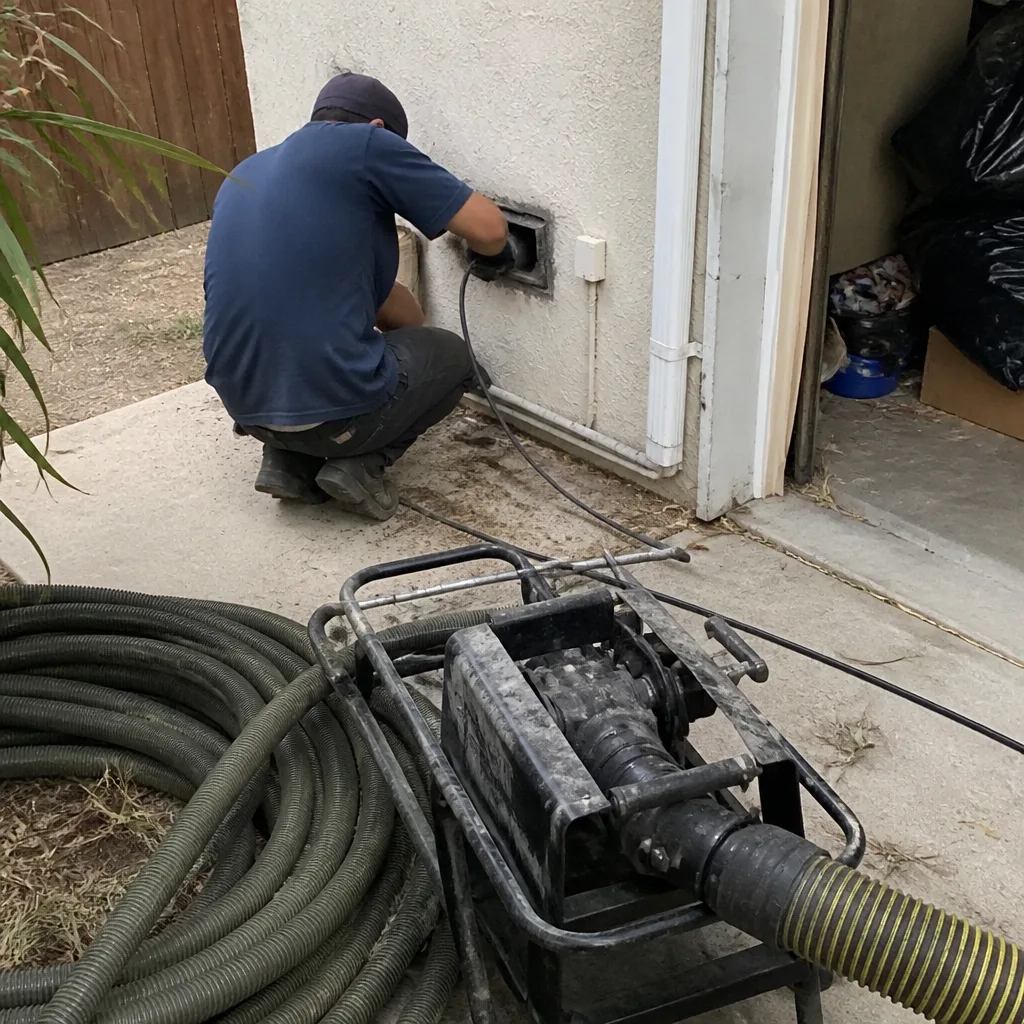
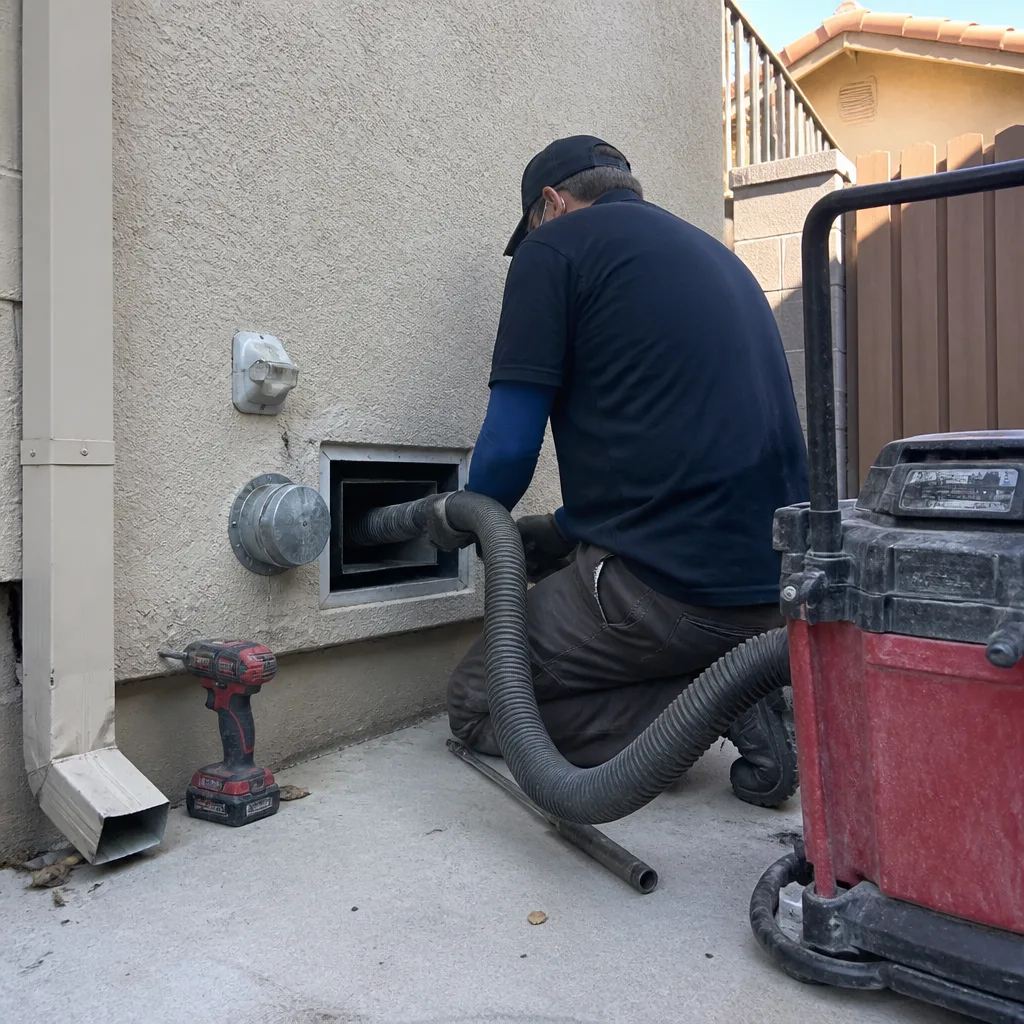
- Never cleaning the dryer vent while focusing on the HVAC ducts. The dryer vent is a separate system with a different risk profile. The U.S. Fire Administration connects clogged dryer vents to thousands of house fires every year. Dryer vent cleaning in Anaheim is a fire-safety service and should be on the same annual schedule as your duct inspection, not treated as an optional add-on.
When to Call a Professional
Seasonal inspection and filter management will go a long way, but there are specific signals that mean it’s time to bring in professional equipment. If you’re seeing dust accumulation on furniture and surfaces within days of cleaning, even though you’ve been replacing filters regularly, the dust is coming from inside the duct system, not through the filter. If a musty or dusty odor persists after the first few heating cycles of the season, that suggests adhered debris that suction alone won’t remove. If airflow is noticeably weaker in certain rooms regardless of season, the branch ducts serving those rooms may be restricted or damaged. And if a visual inspection of the return grilles after a Santa Ana event shows heavy grit accumulation, that same grit has been pulled deeper into the system. In each of these cases, professional cleaning with mechanical agitation, like the Rotobrush rotary-brush technology we use, addresses the problem at the source rather than masking it. Duct Cleaning Anaheim offers free estimates in Anaheim, call (866) 596-8314 to schedule an assessment.
Frequently Asked Questions
For most Anaheim homes, a professional duct cleaning every 3 to 5 years is sufficient, assuming you’re following the seasonal inspection rhythm described in this guide. Homes with pets, smokers, recent renovations, or residents with allergies or asthma may benefit from more frequent cleaning. The key variable isn’t time; it’s the dust load your specific home accumulates, which you can track through the seasonal inspections outlined above.
Yes, in most cases the musty odor from the first heating cycle originates from debris that accumulated inside the duct system during the cooling season and the months the system was idle. Marine-layer moisture in Anaheim contributes to this by creating humid conditions inside duct runs, which allows dust to adhere to surfaces. When warm air moves through for the first time, it releases those odor compounds. A duct cleaning removes the source.
Summer is when your AC is running at peak load in Anaheim, and taking the system offline for cleaning means losing cooling when you need it most. It’s also when duct cleaning contractors are busiest with cooling-related calls, meaning longer wait times and potentially rushed work. The March – April shoulder season offers mild weather, low system demand, and better contractor availability, making it the ideal window.
Filters only capture particles that pass through them before entering the living space. They don’t address debris that has already settled inside the ductwork, adhered to the duct walls, or accumulated in trunk lines and branch runs. Professional cleaning with mechanically agitating equipment removes that settled and adhered layer, which is often the primary source of dusting problems and odors that filters alone never solve.
Yes. Santa Ana winds carry fine desert particulate that enters your home through ventilation, gaps, and even open doors during brief moments. The HVAC system then pulls that dust into the return ducts and distributes it throughout the system. Homes in Anaheim neighborhoods with direct exposure to open terrain, like parts of Anaheim Hills and the areas east of the 55, tend to see heavier Santa Ana dust loading than homes in more sheltered central Anaheim locations.
If you just purchased a home in Anaheim, a professional duct inspection and cleaning should be high on your list. You don’t know what the previous owners’ filter habits were, whether they had pets, whether they ran the system without a filter during renovations, or what’s accumulated in the ducts over the years. A cleaning gives you a clean baseline, and the inspection that accompanies it often reveals issues like disconnected joints or damaged flex duct that would otherwise go unnoticed.
The Bottom Line
Anaheim’s duct systems don’t follow a generic maintenance calendar, and neither should you. The city’s climate creates four distinct phases, each requiring a specific response: inspect filters every 3 weeks during the heavy cooling season, check grilles after every Santa Ana event, change the filter before the first heating cycle, and schedule professional cleaning during the March – April shoulder season. That sequence, followed consistently, will reduce dusting, eliminate the seasonal musty odor, and extend the functional life of your HVAC equipment. If you’re seeing signs that your duct system needs attention, don’t wait for a specific season. The team at Duct Cleaning Anaheim is ready to assess your system and give you an honest recommendation. Call (866) 596-8314 for a free estimate.
Written by the team at Duct Cleaning Anaheim, serving Anaheim since 2011.
See the difference
 Before
 After
 Before
 After
 Before
 After