
Last updated November 2, 2026
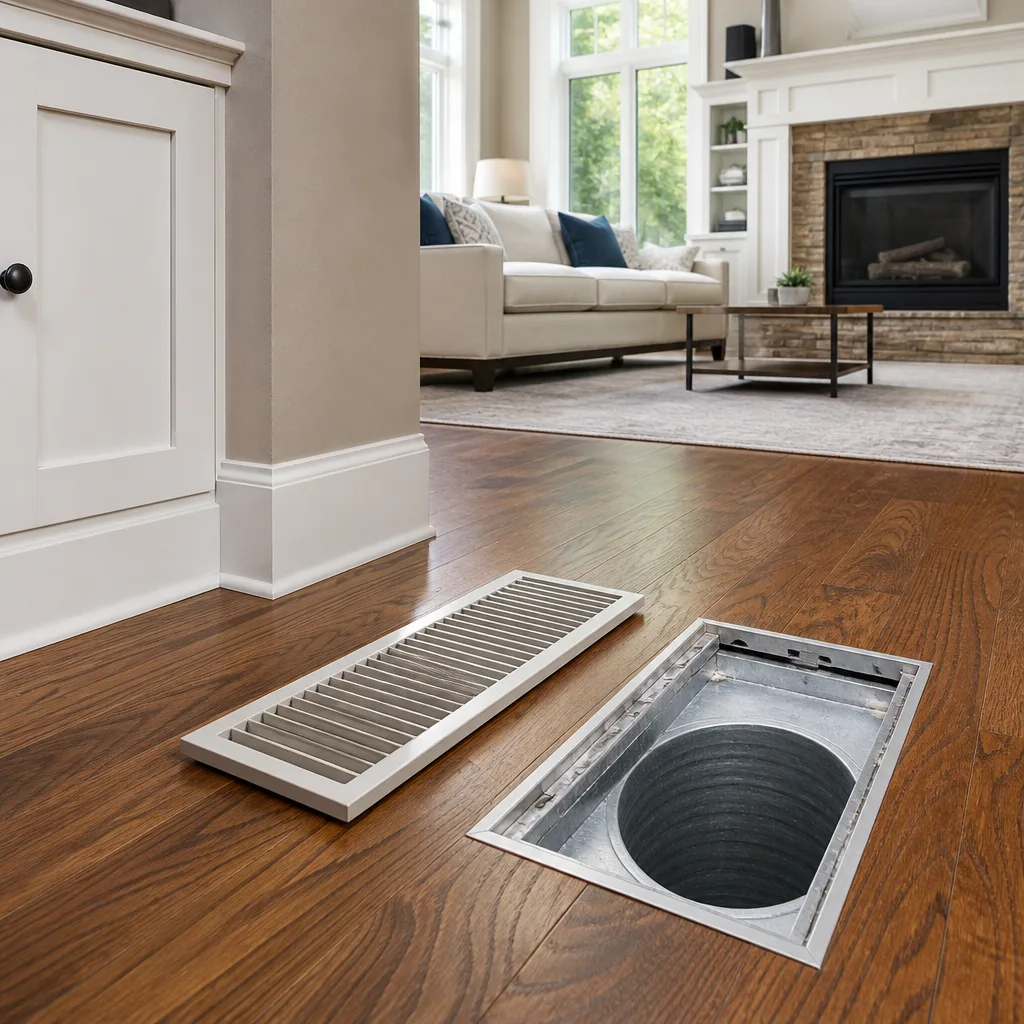 Whole-home duct cleaning
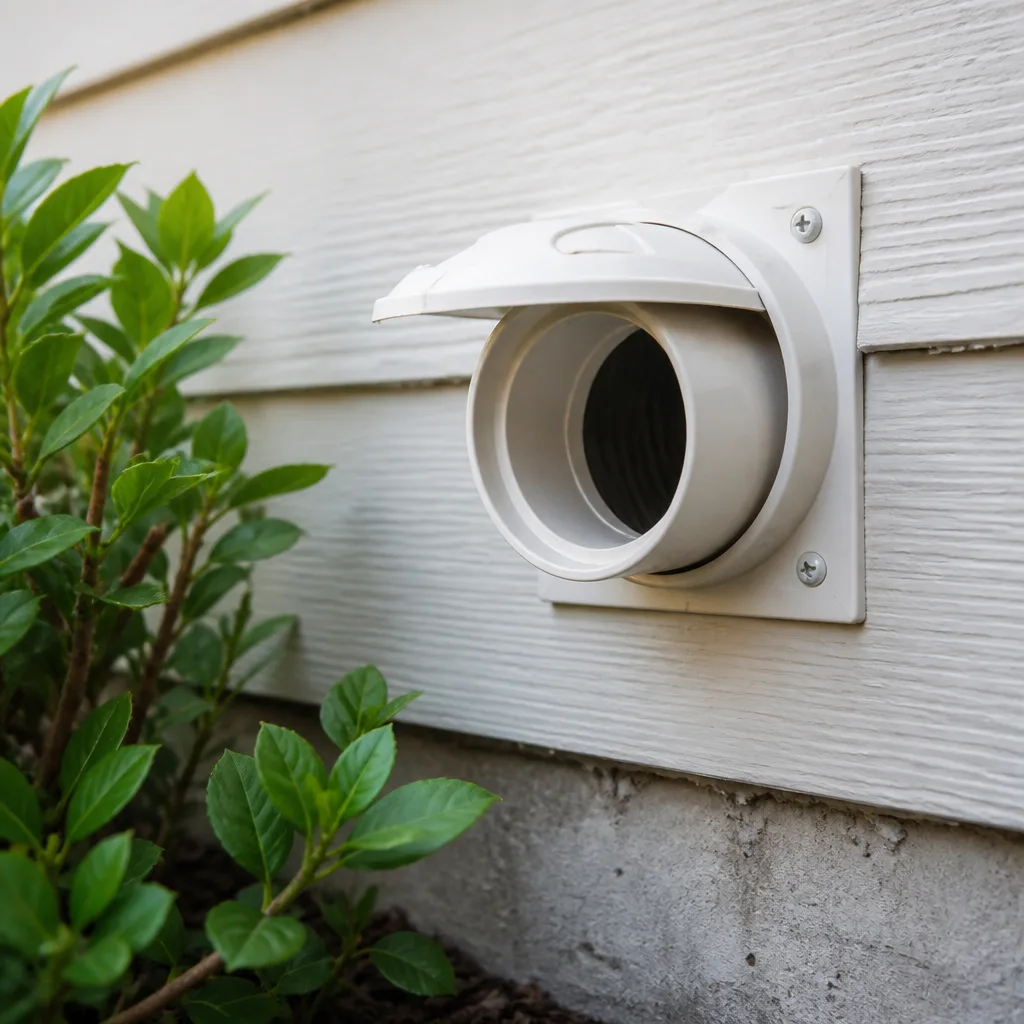 Dryer vent cleaning
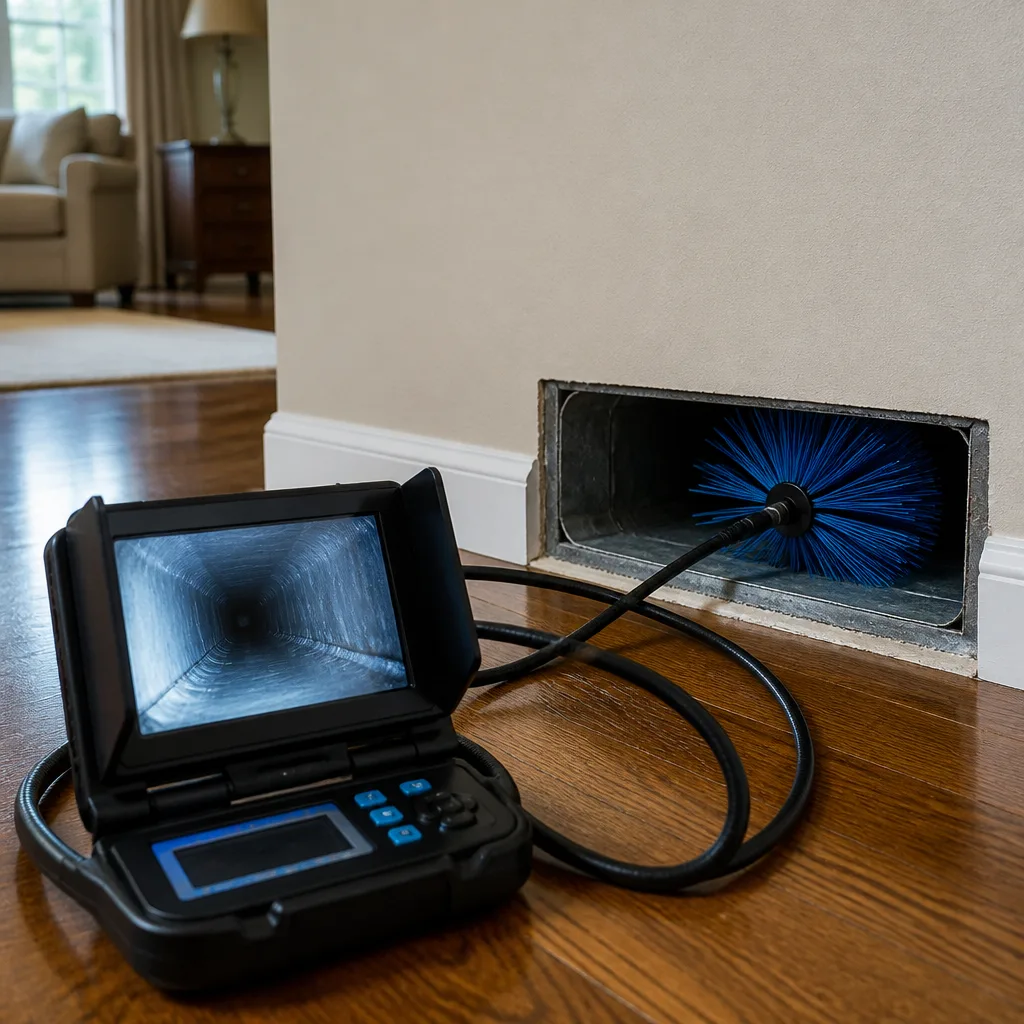 Camera inspection
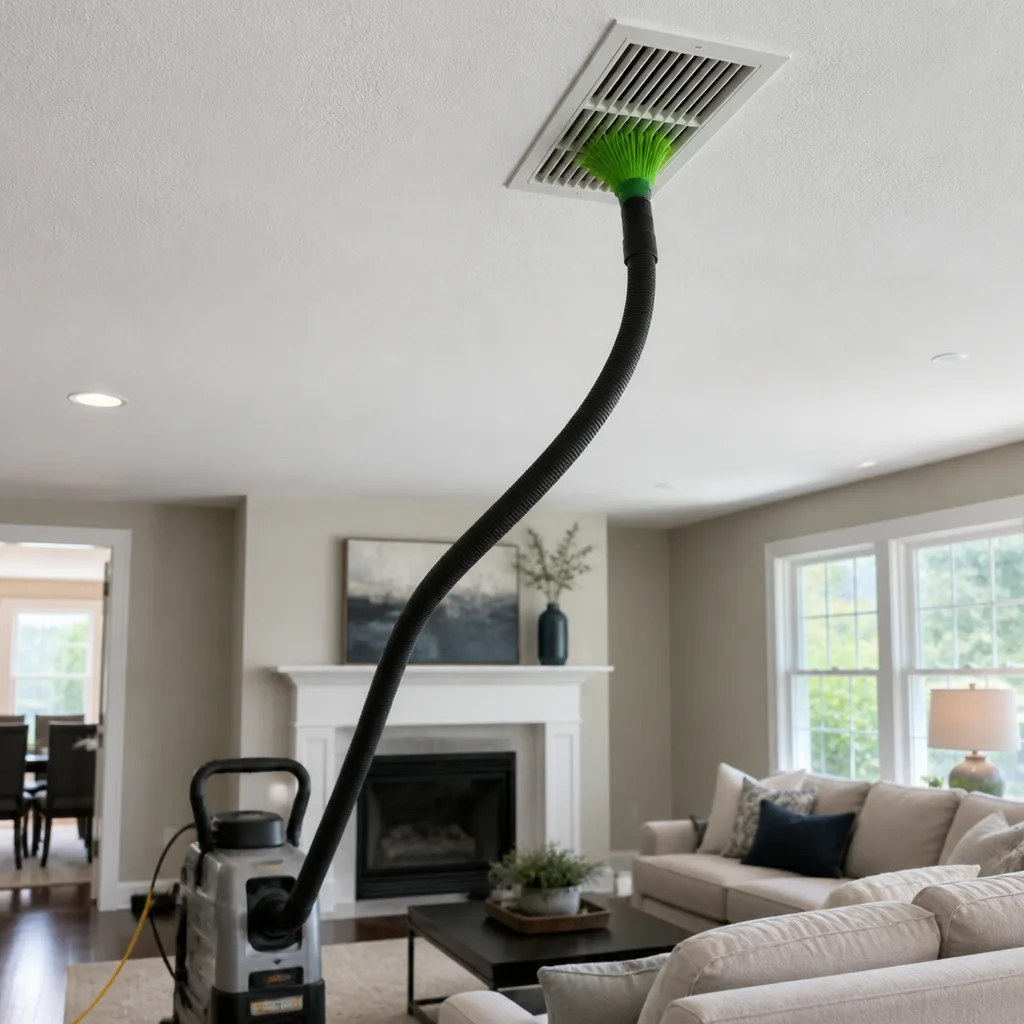 Sanitizing & deodorizing
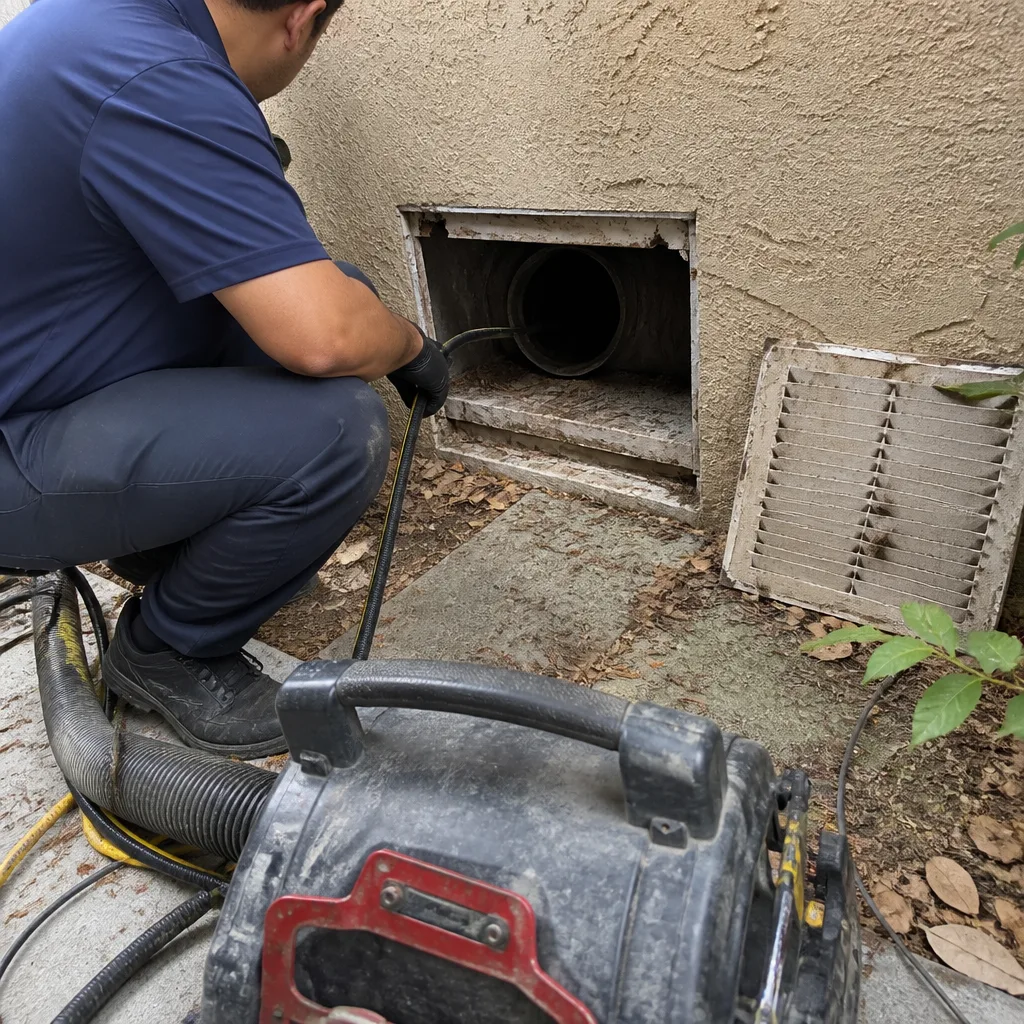
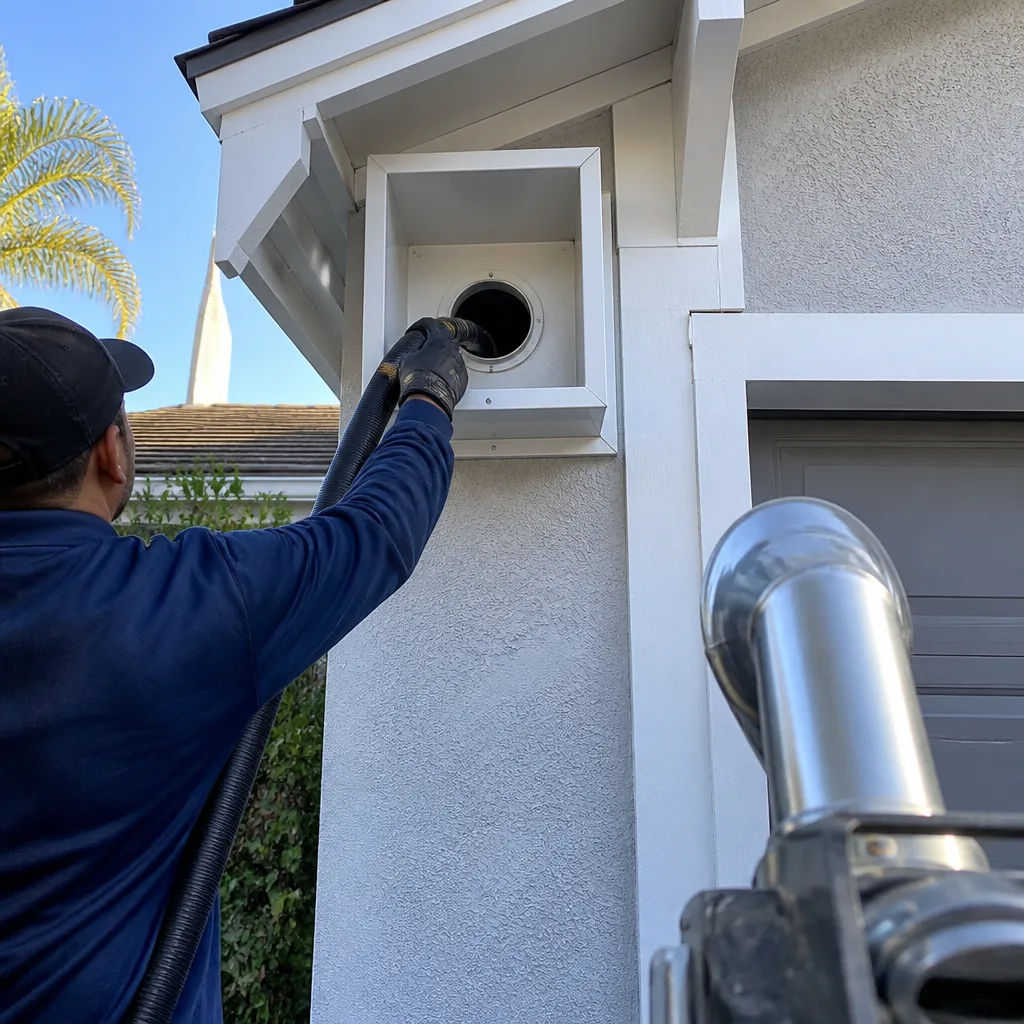
Whole-system duct and dryer vent check with before-and-after photos - you see exactly what came out of your vents
That "$99 whole-house special" is a bait ad - the real number appears once they are in your hallway, or the "clean" is a shop-vac at the register. We photograph the inside of your ducts before and after instead.
Air Duct Cleaning Emergency Preparedness Guide for Anaheim Homes
During the 2020 California wildfire smoke events, homes across Anaheim with central HVAC systems running in recirculation mode still saw ultrafine PM2.5 levels rise indoors. The reason isn’t what most homeowners assume. Contaminated return-air duct surfaces continue to off-gas trapped particles between smoke events, even after outdoor air quality improves. A standard filter change doesn’t touch it. This guide explains what a duct emergency actually is in Anaheim, what to do the moment one happens, and how to know whether your system needs Air Duct Cleaning services, repair, or something more extensive. You’ll learn response protocols for wildfire smoke and post-flood contamination, how to document damage for insurance, and which duct configurations make homes most vulnerable before disaster ever strikes.
Quick Answer
Air duct cleaning after wildfire smoke in Anaheim involves a specific sequence, not a routine vacuum pass: shut the system down, upgrade to a MERV-13 or higher filter, then schedule a professional cleaning that mechanically agitates and extracts PM2.5-coated debris from duct walls. For a full breakdown of what to check, see our Air Duct Cleaning Maintenance Checklist for Anaheim Homeowners. For post-flood contamination, the priority is drying within 72 hours before any cleaning happens, because cleaning a wet system first spreads contamination and wastes money. Neither scenario is addressed by a standard maintenance cleaning cycle.
Styles & brands we work with
- Whole-home duct cleaning
- Dryer vent cleaning
- Camera inspection
- Sanitizing & deodorizing
Table of Contents
- What Actually Counts as a Duct Emergency in Anaheim
- Wildfire Smoke Protocol: The First 48 Hours
- The Post-Wildfire Cleaning Sequence for PM2.5-Coated Ducts
- Post-Flood Duct Response: The 72-Hour Mold Window
- Documenting Duct Damage for Insurance Claims
- Smoke-Damaged: Clean or Replace the Duct Liner?
- Pre-Disaster Preparedness: Which Duct Configurations Are Most Vulnerable
What Actually Counts as a Duct Emergency in Anaheim
Most duct cleaning calls we get are for routine maintenance: dust buildup, allergy management, maybe a musty smell. Those are scheduled jobs. A duct emergency is different. It’s an event that changes the chemical or biological composition of what’s sitting inside your ductwork, and it requires a different response than a standard cleaning cycle. In Anaheim, two scenarios dominate: wildfire smoke infiltration and flood or water intrusion. Both leave behind material that routine cleaning wasn’t designed to address, and both have time-sensitive windows where the wrong action makes the problem worse.
Anaheim sits in a geography where Santa Ana winds push wildfire smoke from the San Gabriel and Santa Ana mountains directly into residential neighborhoods. Homes in Anaheim Hills and Orange Park Acres see the worst of it, but even flatland homes near the 91 and 5 freeways experienced measurable indoor air quality degradation during the 2020 events. Smoke particles in the PM2.5 range, less than 2.5 microns, pass through standard fiberglass filters without slowing down. Once inside the return side of your system, they coat duct walls, especially in the first few feet after the filter rack and in any bends where airflow changes direction. That coating doesn’t go away when the sky clears.
Flood events are less common but the consequences are more severe. A broken supply line in a wall cavity, a water heater failure in an upstairs closet, or storm-driven roof leaks that reach the ceiling plenum can all introduce water into duct runs. In Anaheim’s climate, where average indoor humidity already fluctuates between 40 and 60 percent depending on the season, a wet duct system provides exactly the environment mold needs. The clock starts the moment water contacts duct surfaces. You don’t have weeks to figure it out. You have hours to days.
A duct emergency means one of these events happened, and the material inside your ducts is no longer ordinary household dust. Treating it with a standard cleaning schedule is like washing a car after it’s been through a mudslide and calling it detailed. The approach has to match the contamination.
Wildfire Smoke Protocol: The First 48 Hours
When the Air Quality Index climbs into the red zone over Anaheim, the instinct is to seal the house and keep the HVAC fan running. That’s partially right, but the sequence matters. Here’s the protocol we recommend to Anaheim homeowners, based on what we’ve observed in systems after smoke events.
Step one: shut the system down. If outdoor smoke is heavy and you don’t have a high-efficiency filter installed, running the blower pulls outdoor air in through leaks in the return path. Most Anaheim homes have returns in the ceiling or wall, and the duct connections behind those grilles are rarely air-sealed. That means the return side pulls air from attics, wall cavities, and crawl spaces, not just from the living area. If the attic is smoky, the system pulls smoke directly into the ducts. Shutting it down stops active infiltration.
Step two: upgrade the filter immediately. Drop-in media filters rated MERV-13 or higher are available at most Anaheim hardware stores. Honeywell and Aprilaire both manufacture pleated media filters in the MERV-13 to MERV-16 range that fit standard 1-inch and 4-inch filter racks. A MERV-13 filter captures at least 50 percent of particles in the 0.3 to 1.0 micron range, which covers the fine smoke particulate that standard filters miss. If the smoke is thick and you’re running the system, this upgrade isn’t optional. It’s the primary barrier between outdoor air and your duct interior.
Step three: seal the return path. Even with a high-efficiency filter, leaky return ducts pull contaminated air around the filter, not through it. In the short term, run the system with windows closed and use room air purifiers if you have them. In the long term, have return duct connections inspected and sealed. We’ll cover that more in the pre-disaster section.
Step four: document everything. Take photos of the smoke outside, the AQI reading on your phone, and a screenshot of the date. Record when you first ran the system during the event and with what filter installed. If you file an insurance claim later, this timeline establishes that contamination occurred during a covered event, not from years of neglect.
The Post-Wildfire Cleaning Sequence for PM2.5-Coated Ducts
Once outdoor air quality recovers, most homeowners breathe a sigh of relief and forget about the ducts. That’s a mistake. The coating left behind on duct walls continues to release particles into the air stream every time the blower cycles. Rooms stay dusty weeks after the sky clears. Allergy symptoms persist. The system smells like smoke on startup. These are signs that the duct interior needs mechanical cleaning, not a filter change.
The cleaning sequence we use after smoke events in Anaheim homes follows a specific order, and it’s different from a maintenance cleaning in two important ways. First, the agitation step is non-negotiable. Smoke particles bond with existing dust and form a sticky film on duct surfaces. Suction alone doesn’t remove it. Second, the containment step matters more. If the cleaning process sends smoke-contaminated dust into the living space, you’ve made the indoor problem worse.
Here’s the sequence, step by step:
- Containment setup. The system runs under negative pressure using Abatement Technologies air filtration equipment. This means the air inside the duct system is pulled through HEPA filtration before it’s released, and contaminated particles go into the collection equipment, not back into the home. For smoke-damaged systems, this step is the difference between a real remediation and a cosmetic pass.
- Supply-side agitation. Each supply run gets mechanically brushed using a Rotobrush rotary-brush system. The rotating brushes dislodge the smoke-dust film from duct walls while vacuum extraction pulls the loosened material out simultaneously.
- Return-side agitation. Return ducts get the same treatment. Because return runs carry unfiltered air, they’re often dirtier after smoke events than supply runs. The first few feet after the filter rack, where air velocity drops, are typically the worst.
- Component cleaning. Supply registers, return grilles, and the filter housing are removed and cleaned separately. Smoke film accumulates on these surfaces and recontaminates ducts if left untouched.
- Final flush and filter replacement. The system runs for a final pass with the containment equipment in place, then the filter is replaced with a fresh MERV-13 or higher media. Before-and-after photos are taken throughout the process for your records.
This sequence addresses the material that creates ongoing indoor air quality problems after wildfire smoke events. A standard maintenance cleaning skips the containment step and often skips mechanical agitation entirely, which is why it falls short for post-smoke systems. This is the exact process we recommend for air duct cleaning in Anaheim after any significant wildfire smoke exposure.
Post-Flood Duct Response: The 72-Hour Mold Window
Water in a duct system is a different emergency entirely. The Environmental Protection Agency’s guidance on mold in buildings is unambiguous: wet materials should be dried within 24 to 48 hours, and mold can begin growing on damp surfaces within 48 to 72 hours. Duct interiors, especially lined or insulated sections, are exactly the kind of porous, dark, temperature-stable environment mold prefers.
Here’s what a smart response looks like, ordered by priority:
- Stop the water source. Shut off the water supply if the source is plumbing. If it’s roof-related, tarp the roof or get a roofer out immediately. Nothing else matters until water stops entering the system.
- Shut the HVAC system down. Do not run the blower. Running air through wet ducts moves moisture deeper into the system and spreads mold spores to every room. This is the single most common mistake we see in Anaheim homes after water damage events.
- Remove standing water. A wet-dry vacuum or pump handles visible pooling. This is homeowner territory if you’re comfortable with it, but it’s not the final step.
- Dry the system aggressively. Dehumidifiers placed near the return grilles and supply registers pull moisture from the duct air space. In Anaheim’s warm climate, opening the registers and running dehumidifiers in the affected rooms for 48 to 72 hours straight can bring the moisture load down significantly. But here’s the key: this dries the air and the accessible surfaces. It does not dry wet duct insulation or moisture trapped in fiberglass liner.
- Get a professional assessment within the 72-hour window. A technician who knows ductwork can tell you whether the water reached lined sections, whether flex duct insulation is saturated, and whether the system can be dried in place or needs sectional replacement.
Cleaning a flood-contaminated system before it’s dry is counterproductive. Cleaning introduces moisture and agitation into a system that’s already wet. The process spreads contamination to previously unaffected sections and pushes water deeper into porous materials. Dry first. Assess the damage. Then decide what needs cleaning versus replacement.
If water sat in a duct run for more than 72 hours, assume the affected sections need more than cleaning. Wet fiberglass liner rarely dries out fully inside a closed duct cavity, and no amount of brushing restores a liner that’s begun to delaminate. In those cases, air duct repair in Anaheim means section replacement, not patch-up work. This is where a specialist who does both cleaning and repair earns the call: one visit identifies both the contamination and the structural damage, and fixes both.
Documenting Duct Damage for Insurance Claims
Homeowner’s insurance policies vary widely on duct remediation coverage. Some cover duct cleaning and replacement after a covered event like a water leak or wildfire-smoke impact. Others classify ductwork as a maintenance item and deny the claim outright. What we’ve learned from watching Anaheim homeowners navigate this: the documentation you build in the moment is usually the deciding factor, not the policy language alone.
Here’s what insurers actually want to see when you file a claim for duct remediation:
- Dated photos of the event’s impact. Smoke-browned skies outdoors, the AQI reading on your phone, the water stain on the ceiling, the wet carpet, whatever shows the event actually happened and when.
- Photos of duct access points before any cleaning. Remove a supply register or two and photograph what’s visible inside. If you can see dust coating, discoloration, or moisture, document it. This is your baseline.
- A written timeline. When did the event happen? When did you first notice symptoms (smoke smell indoors, water dripping from a register)? When did you shut the system down? A dated log holds more weight than a summary written weeks later.
- A professional inspection report. An honest contractor’s report that describes what was found, with photos and a recommended remedy, is the strongest piece of evidence. It tells the adjuster this isn’t a speculative claim from a homeowner who doesn’t know what they’re looking at.
- Receipts from any immediate mitigation you paid for. Dehumidifier rentals, emergency plumbing, tarping, filter upgrades. These show you acted to minimize damage, which policies generally require.
If your claim is denied because ductwork falls outside coverage, you still have the documentation to push back. Many remediation claims get approved on appeal when the homeowner can prove the contamination was event-driven, not neglect-driven. If your policy doesn’t cover it, at least you have a complete record for your own purposes, and for any future disclosure when you sell the home.
Smoke-Damaged: Clean or Replace the Duct Liner?
Not every smoke-impacted duct system can be restored by cleaning. The deciding factor is the duct interior material, and the inspection method is visual. It doesn’t require specialized equipment, just a camera that can see the full length of the run.
Here’s the distinction that matters:
- Bare sheet metal ducts with smoke film almost always respond to mechanical cleaning. The surface is non-porous. Smoke particulate sits on top, and rotary-brush agitation removes it. We’ve seen sheet metal systems in Anaheim that looked heavily coated after the 2020 events clean up completely with a proper sequence.
- Internally lined ducts with smoke film are a judgment call. The lining is a fiberglass or fiberglass-like material that’s open-textured on the inside surface. Smoke particles work into the fiber matrix, not just onto it. Surface agitation removes the top layer but leaves trapped particulate embedded in the liner. If the liner absorbs smoke odor, cleaning doesn’t get it out. The liner needs replacement.
- Flex duct with smoke contamination usually means replacement in the affected sections. Flex duct’s interior is a thin plastic liner over an insulating layer. Smoke film is cleanable if the liner is intact. But if the liner is degraded, perforated, or the smoke odor has penetrated to the insulation layer, replacement is the only reliable fix. The cost difference is modest in most Anaheim homes, because the affected runs are typically short.
The inspection method: a camera pushed through each run after cleaning shows whether the lining still holds embedded particulate or staining. If the liner is compromised, cleaning it over and over won’t change the outcome. You replace the section. If you’re unsure which category you’re in, the answer comes from a visual inspection, not a guess. A duct repair specialist who can replace sections during the same visit shortens the timeline from diagnosis to resolution, which matters when you’re living with smoke-impacted air.
Pre-Disaster Preparedness: Which Duct Configurations Are Most Vulnerable
Some Anaheim homes ride through smoke events and water intrusion with minimal duct impact. Others take on full contamination. The difference often comes down to duct configuration and condition, not luck. Here’s what we’ve observed across Anaheim’s housing stock, from tract homes in Anaheim Hills to older custom builds near the 57 freeway:
Unsealed returns are the number one vulnerability. A return path that pulls air from an attic or crawl space draws smoke into the system continuously during outdoor events. Homes with panned-joist returns, where the cavity between floor joists serves as the return path, are particularly bad. The cavity is connected to the attic or crawl space, and sealing it is minimally invasive. Homes with dedicated round or rectangular return duct runs are generally better off, but the connections at the return plenum and at the grille still need mastic sealing.
Motorized zone dampers add complexity. Zoned systems in larger Anaheim homes use motorized dampers inside the ductwork to direct air to different areas. During a smoke event, dampers in the closed position still allow leakage around the blade edges. After a smoke event, the damper seals and actuator housings accumulate film in hard-to-reach places. Standard cleaning equipment can’t reach behind a closed damper. If you have zoned HVAC, the cleaning sequence needs to account for damper access.
Ducts in unconditioned spaces are more vulnerable to moisture. In Anaheim’s climate, the temperature differential between cooled ducts and warm attic air creates condensation on the outside of the duct, not the inside, so it’s less of an issue than in humid Southern climates. But water intrusion events are still more damaging when ducts run through enclosed ceiling plenums, because water pools in the plenum and seeps into the duct at joints and seams. After any roof leak or ceiling water event, the duct runs in that cavity need inspection, even if the ceiling drywall looks fine after drying.
Proactive steps any Anaheim homeowner can take before an emergency: seal accessible return connections with mastic, upgrade to a MERV-13 filter (a permanent filter rack for 4-inch media filters from Aprilaire or Honeywell makes this easy), and have your duct system inspected and photographed so you know its baseline condition. If a disaster happens later, that baseline documentation is gold.
For homeowners who prioritize indoor air quality year-round, not just during disaster season, pairing a sealed return path with a whole-home Aprilaire media filter and periodic maintenance cleaning from the Duct Cleaning Anaheim home team keeps the duct interior predictable. You can’t prevent every emergency, but you can remove the factors that turn a routine event into a full-system contamination.
Common Mistakes to Avoid
These are the specific errors we see Anaheim homeowners make during and after duct emergencies, and each one has a better alternative:
- Running the HVAC fan continuously during heavy smoke with a standard filter. The fan pulls smoke-contaminated attic air through leaky returns and distributes it to every room. Shut the system down or upgrade to MERV-13 first, then run it.
- Calling a cleaner before drying a wet system. Cleaning a flood-contaminated system before it’s dry spreads mold spores and wastes the cleaning cost. Dry first, assess second, clean third.
- Assuming a maintenance cleaning covers smoke contamination. Standard duct cleaning that doesn’t include containment and mechanical agitation leaves PM2.5 film on duct walls. The job looks done and isn’t.
- Filing an insurance claim without pre-cleaning documentation. Once the ducts are cleaned, the evidence is gone. Photograph the interior before anyone touches it.
- Replacing ducts without investigating the return path. If the returns are still leaky, your new or newly cleaned ducts will re-contaminate within months. Fix the path, not just the symptom.
- Ignoring dryer vents during smoke events. Dryer vents pull from the laundry room and exhaust outside. After heavy smoke, the vent interior is coated with the same particulate. Dryer vent cleaning in Anaheim is a fire-prevention task the U.S. Fire Administration recommends annually, and smoke events add another reason to check it.
- Waiting weeks to address a smoke-impacted system. The longer smoke film sits on duct walls, the more it bonds with existing dust and the harder it is to remove. Prompt attention means a more complete cleaning outcome.
See the difference
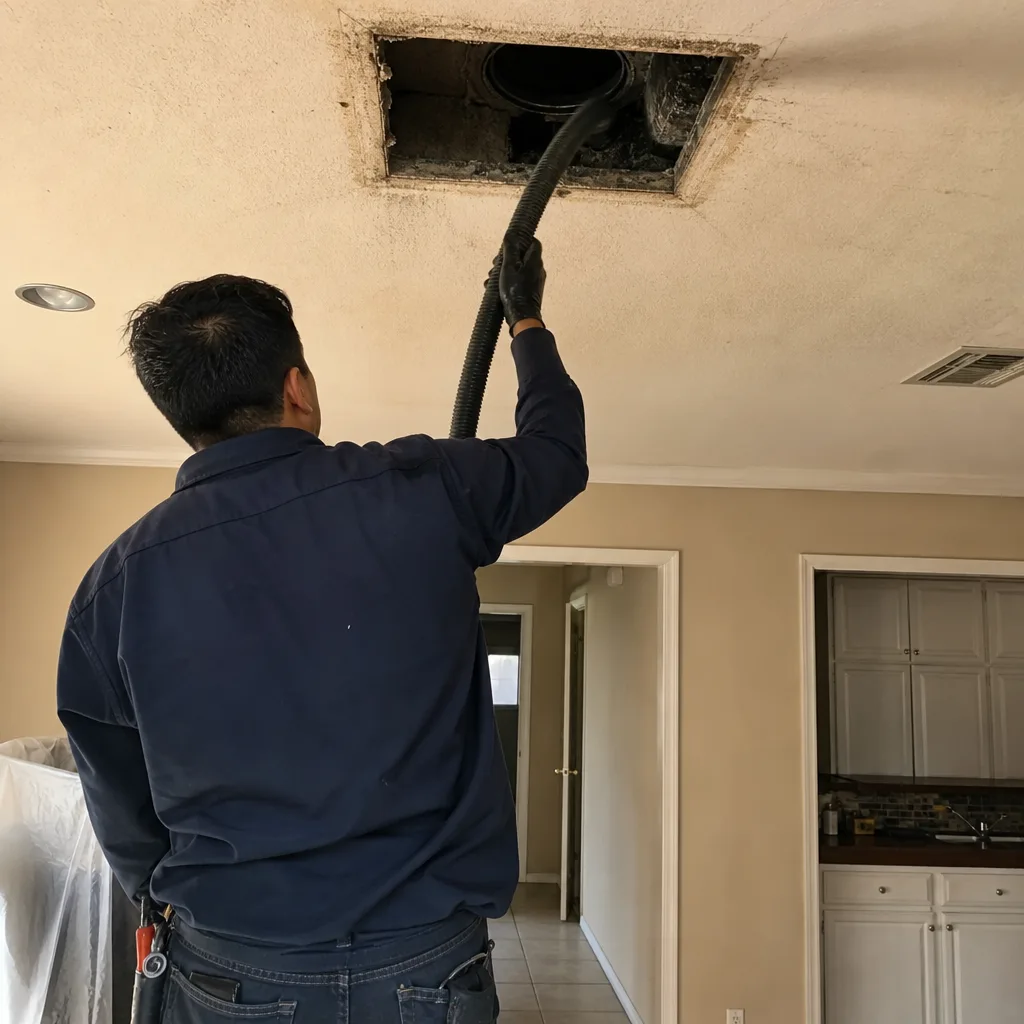 Before
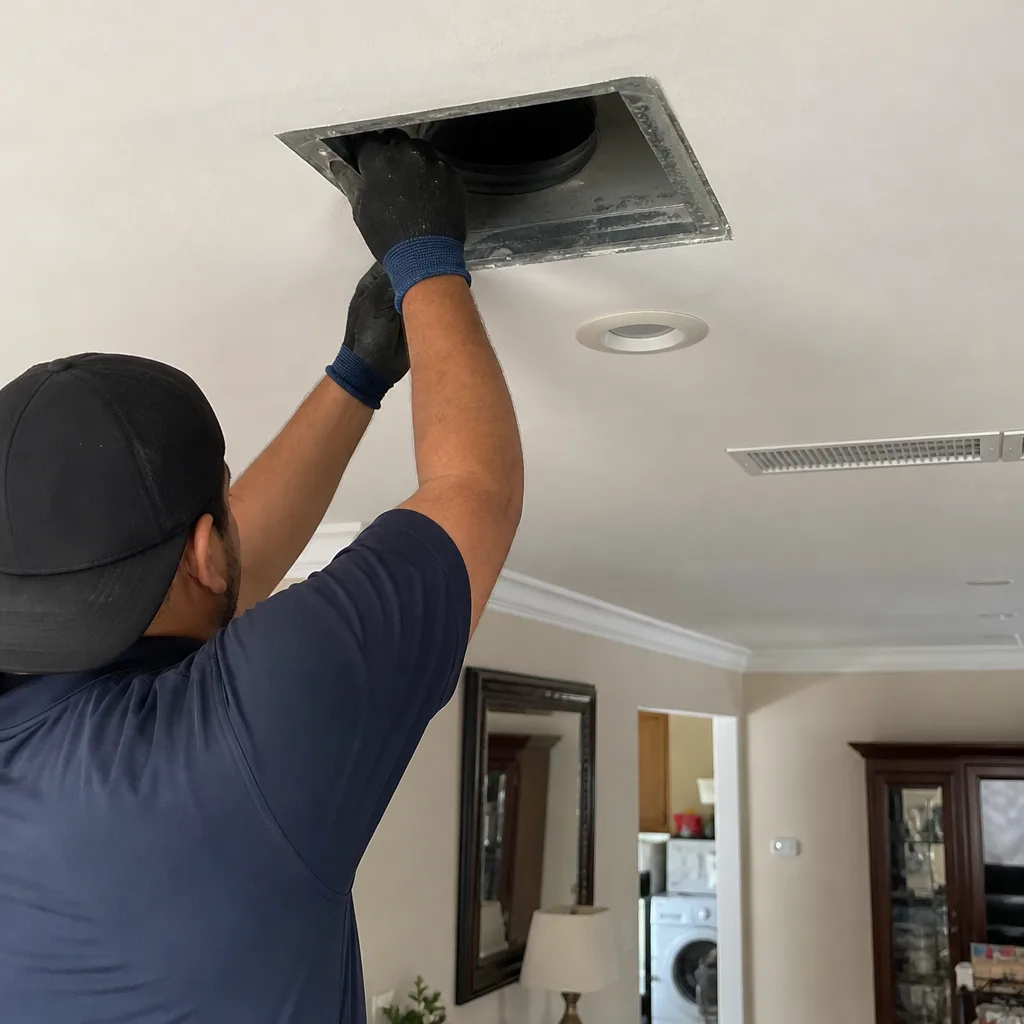 After
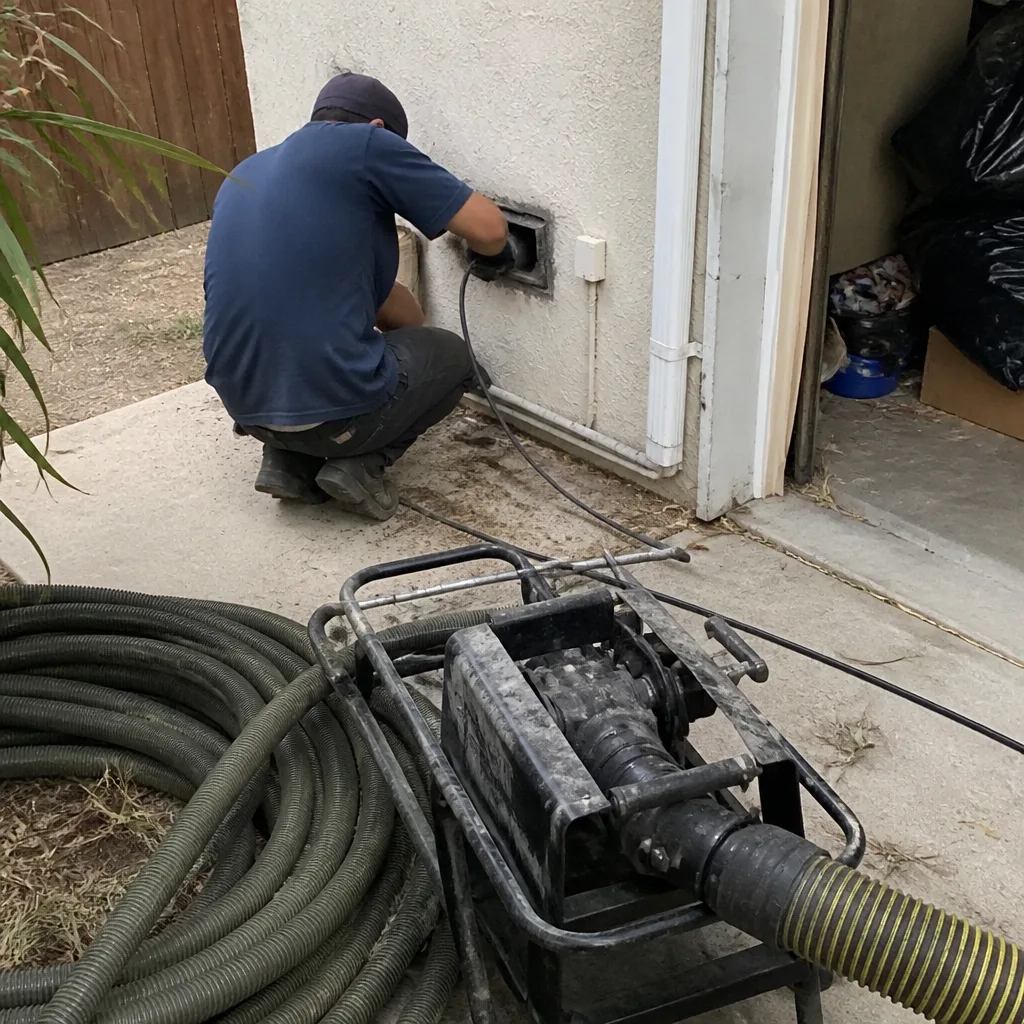 Before
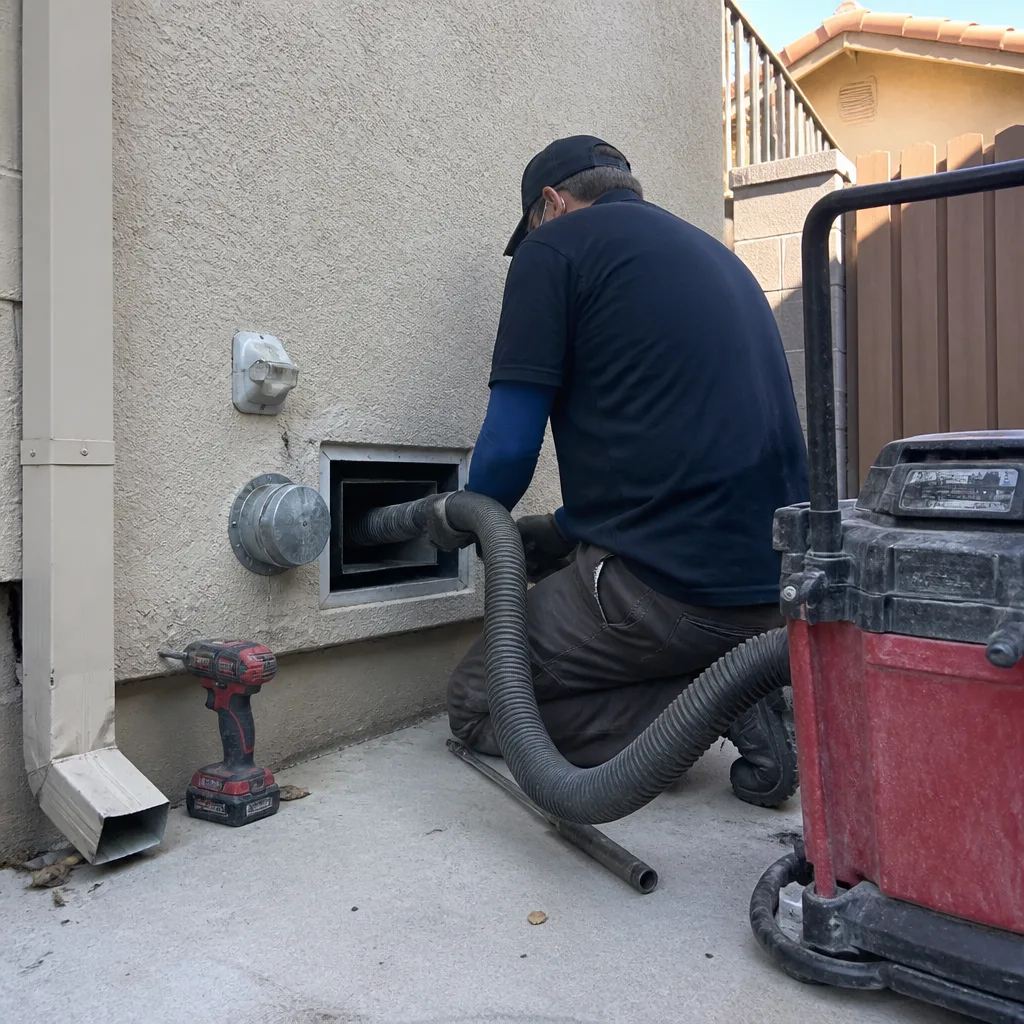 After
 Before
 After
When to Call a Professional
If your system ran during a significant wildfire smoke event and now smells smoky on startup or rooms stay dusty, a professional inspection and cleaning sequence is warranted. If water entered your ducts through a leak or flood and it’s been more than 24 hours, don’t guess at drying. If you’re filing an insurance claim, a professional report with photos is your strongest evidence. And if your inspection reveals torn flex duct, disconnected joints, or compromised liner, that’s a repair issue, not a cleaning issue. For more guides & resources on protecting your home’s air quality, visit our blog. Duct Cleaning Anaheim offers free estimates in Anaheim. Call (866) 596-8314 to schedule an inspection, whether you’re responding to an emergency or preparing before one happens.
Frequently Asked Questions
Post-smoke duct cleaning in Anaheim typically runs between $450 and $900 for a standard single-system home, depending on the number of supply and return runs, system size, and whether the ductwork is accessible from an attic or crawl space. The containment equipment and agitation process add cost compared to a maintenance cleaning, but they’re what actually removes the smoke particulate. Homes with zoned systems or extensive return path contamination run higher. Call (866) 596-8314 for a specific quote based on your system’s configuration.
No. Household vacuums and consumer-grade duct cleaning kits don’t generate the negative pressure or mechanical agitation needed to dislodge smoke film from duct walls. Worse, cleaning without proper containment equipment can release trapped particles into your living space and make the indoor air quality problem worse than before you started. Smoke-impacted ductwork is a remediation task that calls for professional equipment.
A thorough post-smoke duct cleaning for a typical three-to-four-bedroom Anaheim home takes four to six hours, including containment setup, supply and return cleaning, component cleaning, and final documentation. Homes with zoned systems, multiple returns, or significant smoke film accumulation take longer. Same-day completion is standard for most single-family homes.
Some policies cover duct remediation when the contamination resulted from a covered peril, but others classify ductwork as maintenance and deny cleaning claims. Your strongest position is documentation: dated photos of the event, pre-cleaning photos of the duct interior, a written timeline, and a professional inspection report. These strengthen your claim and support an appeal if the initial response is a denial.
A camera inspection after mechanical cleaning shows whether the liner still holds embedded particulate or staining. Bare sheet metal cleans up reliably. Internally lined ducts that have absorbed smoke odor or particulate into the fiber matrix usually require liner replacement. Flex duct with perforated or degraded liners is usually replaced in the affected sections. The distinction comes from visual inspection, not guesswork.
For homes without pets, smokers, or ongoing respiratory issues, every three to five years is a reasonable maintenance interval. Homes with shedding pets, allergy-sensitive occupants, recent construction, or smoke-exposed systems should shorten that to every two years. If your home experienced a significant wildfire smoke event or water intrusion, that specific contamination warrants prompt attention regardless of the maintenance schedule.
The Bottom Line
Duct emergencies in Anaheim aren’t hypothetical. Wildfire smoke from the surrounding mountains and water intrusion from plumbing or roof failures both contaminate duct systems in ways standard cleaning never addresses. The response protocols are different: smoke requires prompt mechanical cleaning with containment, while flood contamination requires aggressive drying before any cleaning happens. Document everything for insurance. Know whether your duct configuration is vulnerable before an event. And when the situation calls for professional attention, Duct Cleaning Anaheim brings remediation-grade equipment and repair capability in one visit, not two vendors and a handoff.
Written by the team at Duct Cleaning Anaheim, serving Anaheim since 2011.