
Last updated November 2, 2026
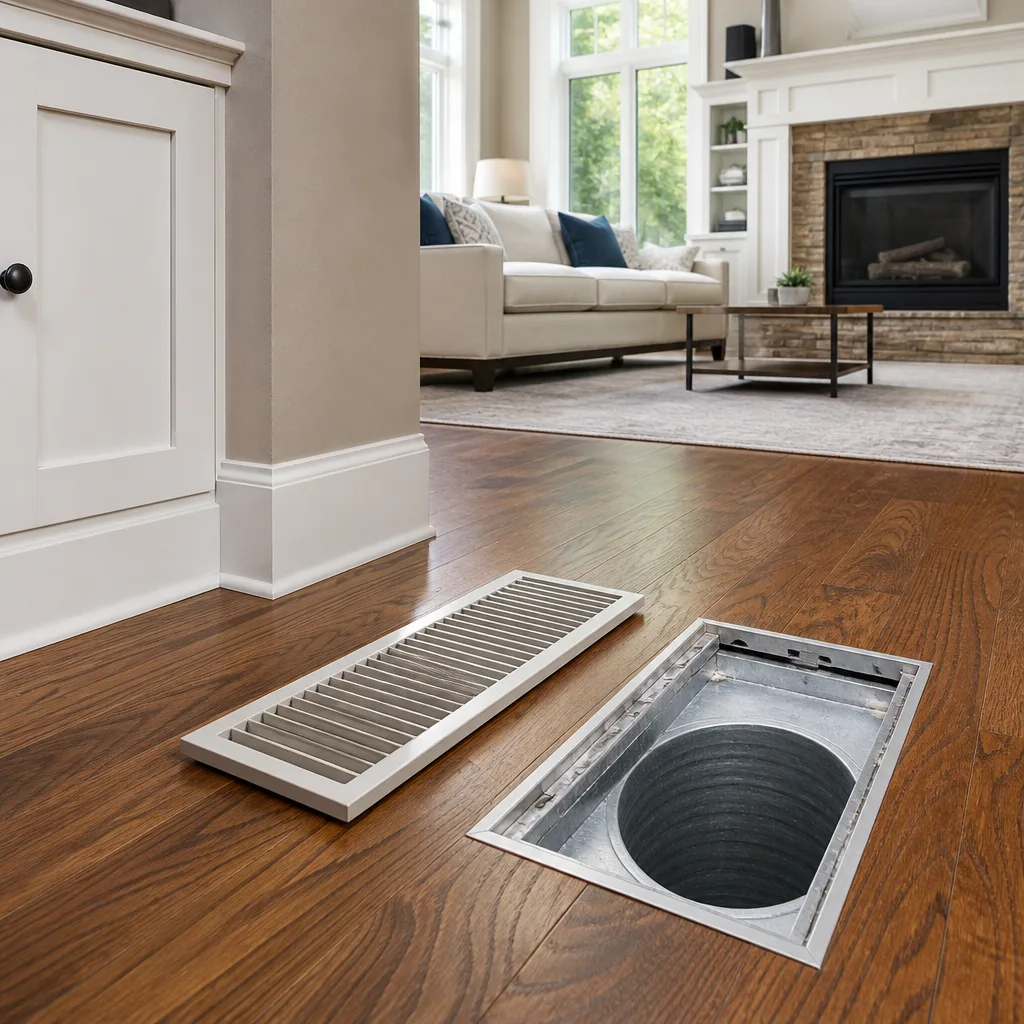 Whole-home duct cleaning
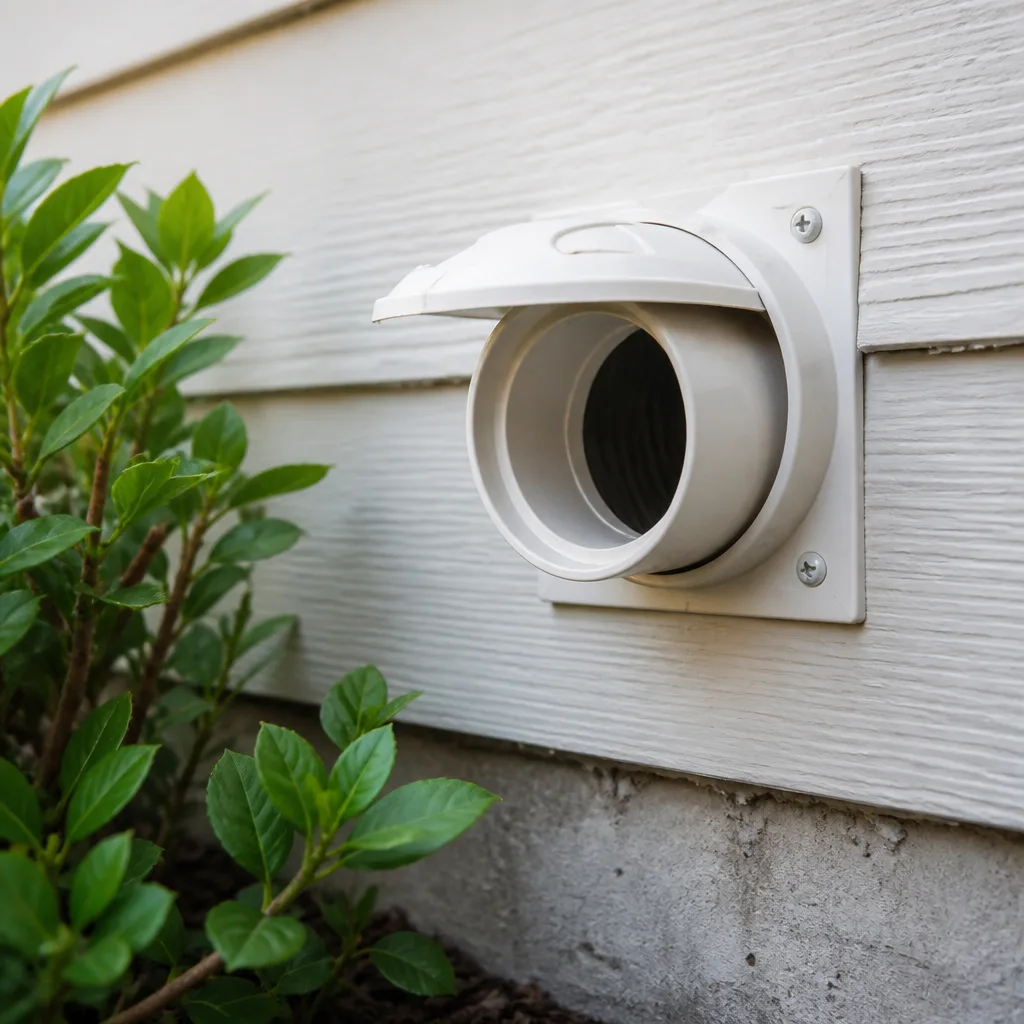 Dryer vent cleaning
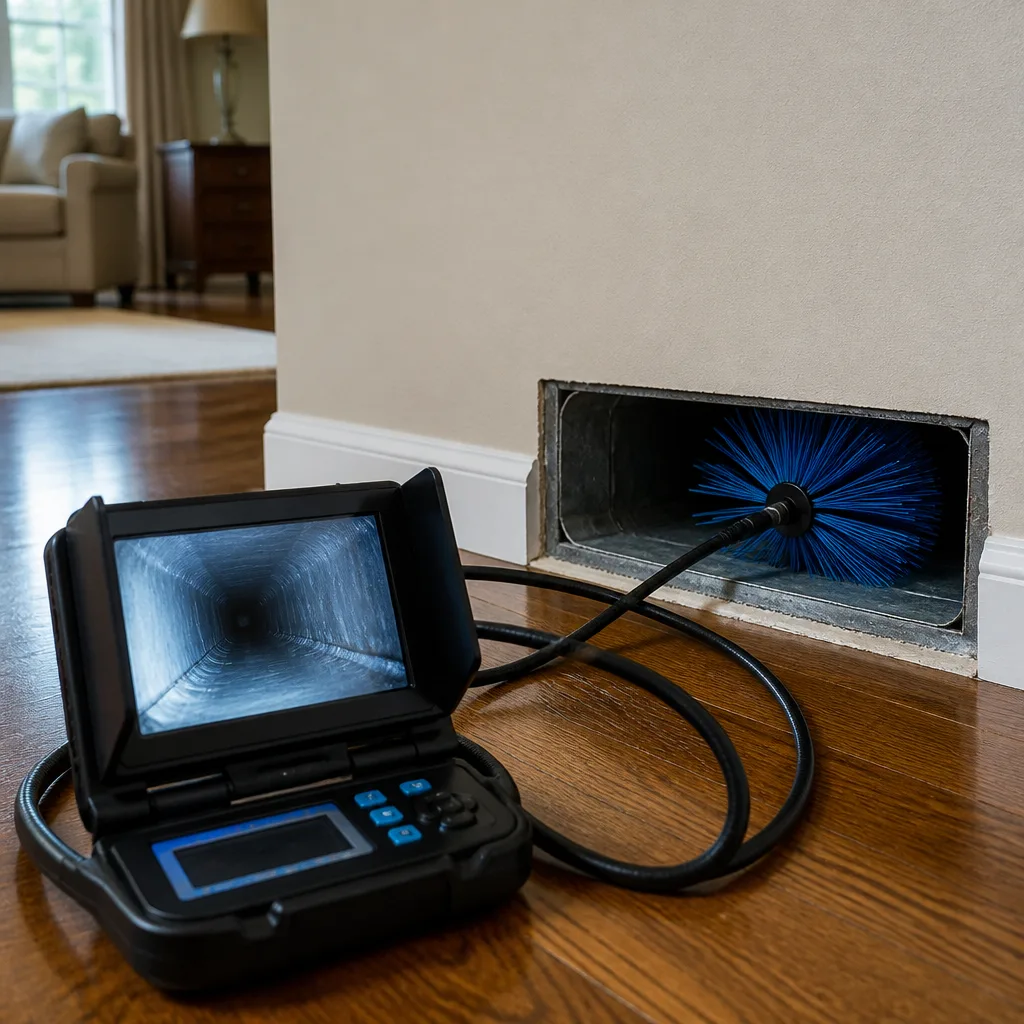 Camera inspection
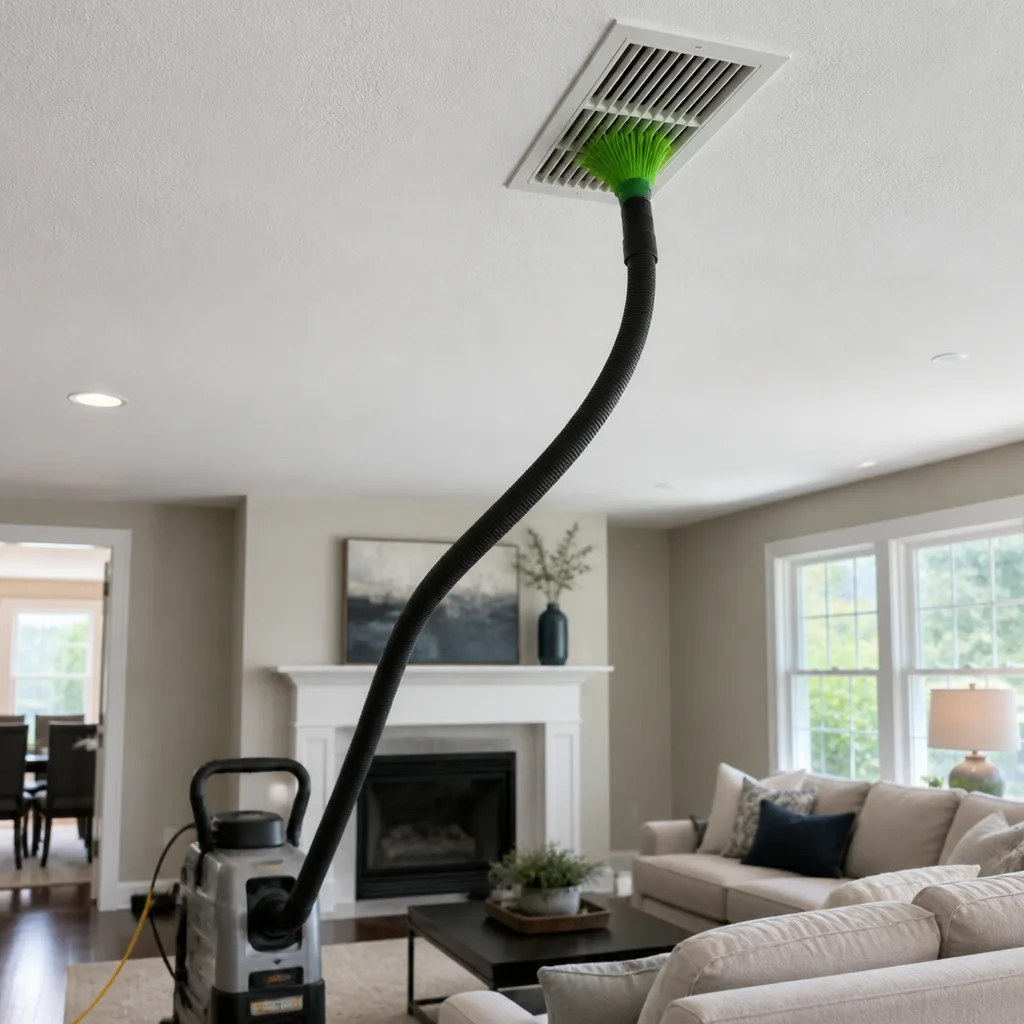 Sanitizing & deodorizing
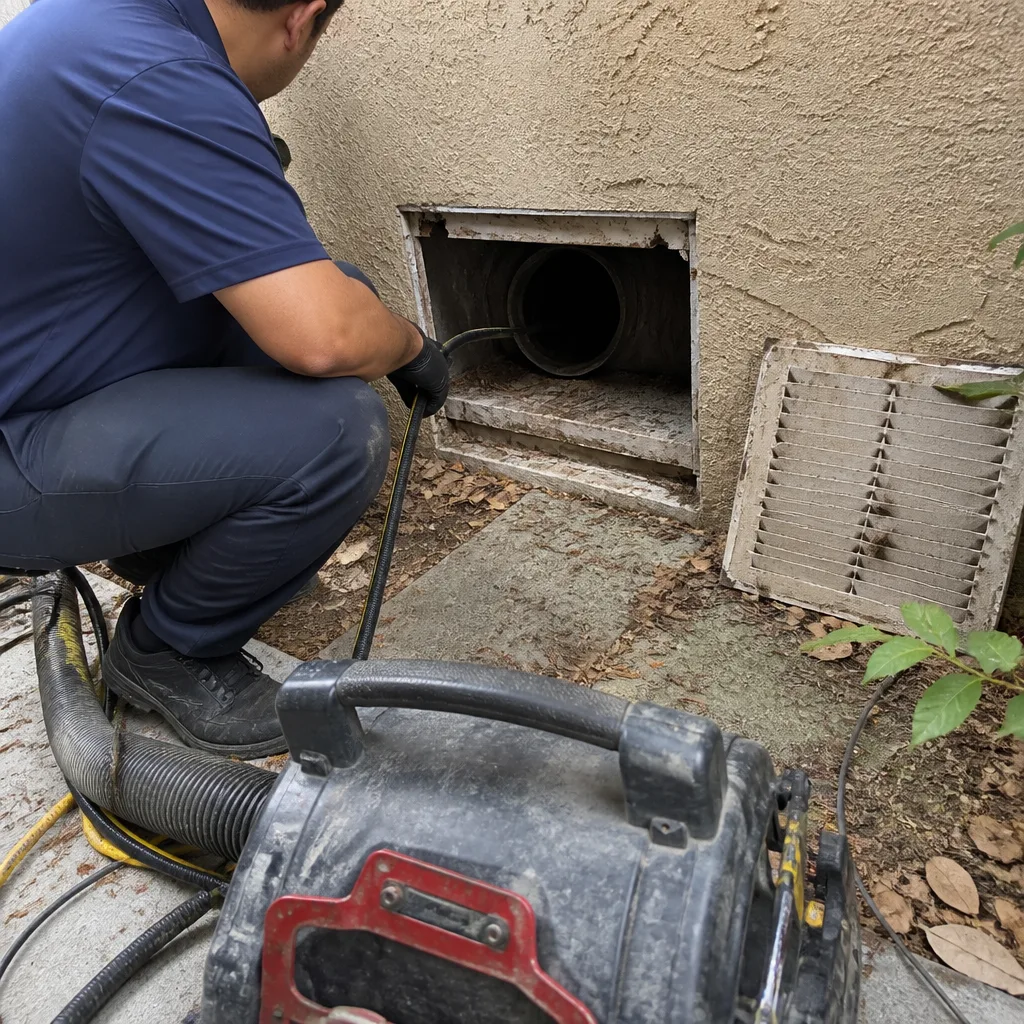
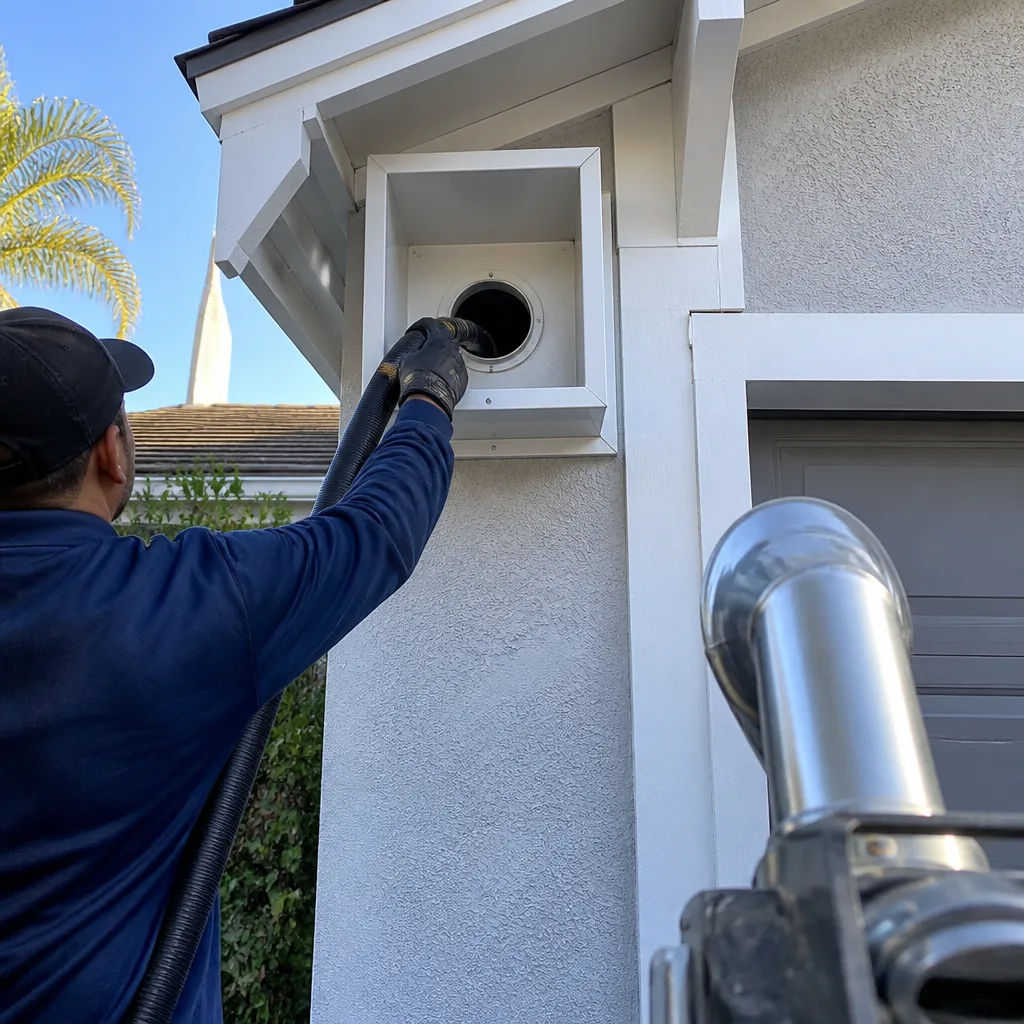
Whole-system duct and dryer vent check with before-and-after photos - you see exactly what came out of your vents
That "$99 whole-house special" is a bait ad - the real number appears once they are in your hallway, or the "clean" is a shop-vac at the register. We photograph the inside of your ducts before and after instead.
Air Duct Cleaning Troubleshooting: Common Problems and How to Fix Them
Here’s the thing most homeowners in Anaheim never hear: if your ducts smell musty two weeks after a cleaning, the cleaning didn’t fail. The diagnosis did. Odor recurrence almost always means a moisture source was left in place, not that the technician missed a spot. This guide walks you through the symptom-to-cause logic we use on Air Duct Cleaning service calls every week, from burning smells that point to debris near a heat strip to chemical odors that signal sealant off-gassing. By the time you finish, you’ll know whether your problem is dirt, damage, or something only an HVAC technician should touch, and you’ll be able to read a post-cleaning symptom like a specialist instead of guessing.
Styles & brands we work with
- Whole-home duct cleaning
- Dryer vent cleaning
- Camera inspection
- Sanitizing & deodorizing
Quick Answer
Air duct problems fall into three categories: contamination (dirt, mold, pest debris), mechanical damage (disconnected joints, perforated flex duct, collapsed sections), and environmental issues (moisture intrusion, off-gassing). The fix depends entirely on which category you’re dealing with: cleaning solves contamination, repair solves mechanical damage, and neither solves a moisture source that’s still active. Match the symptom to the cause before you schedule anything, and you’ll avoid paying for a service that can’t fix what’s actually wrong.
Table of Contents
- Musty Odor That Returns After Cleaning
- Burning or Hot Dust Smell When Heat Runs
- Chemical or Paint-Like Smell from Vents
- Uneven Room Temperatures: Cleanliness vs. Leakage
- Post-Cleaning Symptoms: What’s Normal in the First 48 Hours
- Rotary Brush Cleaning and Flex Duct Perforation
- When to Call Back the Cleaning Company vs. an HVAC Tech
- Common Mistakes to Avoid
- When to Call a Professional
- Frequently Asked Questions
- The Bottom Line
Musty Odor That Returns After Cleaning
A musty or mildew smell that comes back within weeks of a duct cleaning is the single most common callback complaint we hear about in Anaheim, where coastal humidity and older crawl-space homes create the right conditions for moisture problems – one of the key Air Duct Cleaning Warning Signs: An Anaheim Homeowner’s Reference Guide topics. The odor is almost never the result of a technician missing debris. It’s the result of moisture entering the duct system from a source that cleaning cannot address.
Here’s the diagnostic sequence we walk through:
- Check the evaporator coil and drain pan. A clogged condensate drain in an Anaheim attic installation lets water pool in the pan, where it grows biofilm. The blower pushes that smell through every register.
- Inspect the duct liner. Older fiberglass-lined ducts absorb moisture and hold it. If the liner is damp or shows staining, cleaning alone will not remove the embedded odor. The affected section needs replacement.
- Look for a disconnected duct in the attic or crawl space. An open joint pulls in unconditioned air, which in Anaheim summers means humid air from outside. That humidity condenses inside the duct and feeds microbial growth.
- Rule out crawl space moisture. If supply ducts run through a damp crawl space, the musty smell may be migrating through minor leaks, not originating inside the ducts.
If the moisture source is still active, no amount of cleaning will produce a lasting fix. We’ve had Anaheim customers call us after two prior cleanings from other companies, only to find a corroded drain pan dripping onto insulation the whole time. The smell was never in the ducts. It was in the wet insulation next to them.
Burning or Hot Dust Smell When Heat Runs
A burning smell the first few times you run heat in fall is often normal, especially in Anaheim where furnaces sit idle for months. Dust settles on the heat exchanger or heat strips, and the first heating cycle burns it off. The smell should dissipate within 20 to 30 minutes of operation and not return.
But here’s the distinction that matters:
- Normal heat-off smell: Light, dusty, fades quickly, doesn’t trigger smoke alarms, doesn’t get stronger with time.
- Problem burning smell: Acrid, plastic-like, persistent, or accompanied by visible haze from registers. This can mean a foreign object in the duct near the heat source, a failing blower motor capacitor, or wiring insulation overheating.
If you’ve recently had construction or renovation work, debris like sawdust, drywall dust, or even plastic sheeting fragments can settle in the ducts and sit right against the heat exchanger. When the furnace fires, that material scorches. Air duct cleaning removes the debris before it becomes a problem. But if the smell is electrical, cleaning isn’t the answer, and you need an HVAC technician immediately.
One more Anaheim-specific note: many homes here have the furnace in an interior closet or attic, not a basement. That means duct runs are shorter but harder to inspect. If you can’t trace the smell by walking the visible duct line, a professional inspection with a camera is the next step.
Chemical or Paint-Like Smell from Vents
A chemical odor from your vents usually traces to one of three sources: recent duct sealing or repair work that used solvent-based mastic or sealant, off-gassing from new flex duct or insulation, or household products that got pulled into the return air stream.
Here’s how to tell them apart:
- Sealant off-gassing: Smells like paint thinner or glue. It appears after a duct repair or sealing job. It should fade within 48 to 72 hours. If it persists beyond a week, the wrong product may have been used, or it was applied too heavily in an enclosed space.
- New duct material: Smells slightly plasticky. New flex duct and some foil-backed insulations release volatile compounds when first installed. This fades over one to two weeks with ventilation.
- Household chemical migration: Paint, flooring adhesive, or cleaning products used in one room get drawn into the return vent and distributed through the supply side. This isn’t a duct problem at all. It’s an air distribution problem that resolves when the source material cures.
If the chemical smell started right after a service visit, call the company that did the work and ask what products they used. A reputable shop will tell you exactly what sealant went in and how long it should off-gas. Vague answers are a red flag.
Uneven Room Temperatures: Cleanliness vs. Leakage
Uneven room temperatures are the most misdiagnosed symptom in residential air duct troubleshooting. Homeowners assume a warm upstairs bedroom or a cold back room means dirty ducts. Often, it doesn’t. It means air is leaving the system before it reaches the register.
Here’s the diagnostic split:
Cleaning fixes: Rooms that are consistently stuffy or low-airflow without a clear temperature difference from adjacent rooms. If a register is partially blocked by a thick dust and debris mat on the register grille or the first few inches of the duct, cleaning can restore flow. This is most common in Anaheim homes with pets or with high foot traffic near floor registers.
Cleaning cannot fix: A duct that has become disconnected in the attic, a collapsed flex duct section, or a poorly designed duct layout with undersized branches. In these cases, the air isn’t dirty. It’s escaping into unconditioned space. Cleaning a disconnected duct is like mopping a floor with a hole in the bucket. The problem isn’t dirt; it’s structural.
To check without climbing into the attic: close all registers except the one in the problem room. If airflow at that register improves dramatically, the system is underdelivering to that branch, which suggests leakage or a damper issue, not contamination. If airflow stays weak even with all other registers closed, the branch itself is likely blocked or collapsed, and you need an air duct repair in Anaheim assessment.
Post-Cleaning Symptoms: What’s Normal in the First 48 Hours
We tell every Anaheim customer the same thing before we start: you will probably see some dust in the first day or two after cleaning. Not a lot, but some. Here’s why.
Professional duct cleaning uses negative-pressure equipment and mechanical agitation. The rotary brush loosens debris that has adhered to duct walls, and the vacuum captures most of it. But small particles dislodged late in the process, or particles resting in the register boots, can make their way into the room air. This is normal and should be minimal.
Normal in the first 24 to 48 hours:
- Light dust on surfaces near registers
- A brief period of room air smelling slightly dry or dusty
- Improved airflow that takes a day to feel consistent
Not normal, and worth a callback:
- Thick dust accumulation that gets worse after 48 hours
- Debris blowing out of registers continuously
- Odors that appeared immediately after cleaning and intensify
- Visible damage to registers, grilles, or duct connections
One useful test: place a white paper towel over a supply register for an hour with the system running. If it darkens with visible particulate after the initial 48-hour window, the job wasn’t completed properly, or the system’s return side wasn’t adequately cleaned.
Rotary Brush Cleaning and Flex Duct Perforation
Not all duct cleaning methods are appropriate for all duct types, and this is where Anaheim homeowners need to ask a specific question before booking – something covered in our Choosing the Right Air Duct Cleaning Brand: A Buyer’s Guide for Anaheim: what kind of ductwork does my home have, and what tool are you using?
Flexible duct, which is standard in most Southern California homes including throughout Anaheim, consists of a wire coil wrapped in insulation and an outer vapor barrier. The inner liner is plastic. A rotary brush system, including professional-grade machines like those from Rotobrush, is designed with flexible brush heads to minimize liner damage. But an aggressive or incorrectly sized brush, or a technician who runs the brush too fast through a tight bend, can perforate the liner.
Here’s what a perforated flex liner looks like in practice:
- Unexplained loss of airflow to a specific room that wasn’t a problem before cleaning
- A new whistling or flapping sound from a register
- Visible plastic shreds at the supply register
If you suspect liner damage after a cleaning, ask the company to return with a camera. A reputable duct cleaning contractor will run a video inspection at no charge. They’ll be looking for tears, spiral seam separation, or sections where the inner liner separated from the coil. If damage is confirmed, the fix is section replacement, not re-cleaning. This is exactly why Duct Cleaning Anaheim home services include duct repair capability on the same truck. When cleaning reveals damage, we fix it rather than schedule a second appointment weeks later.
When to Call Back the Cleaning Company vs. an HVAC Tech
This decision tree saves Anaheim homeowners time and money. The wrong call means either waiting on a callback for something the cleaner can’t fix, or paying an HVAC technician to do something the cleaner should have done right the first time.
Call the cleaning company back when:
- The problem appeared immediately after the cleaning and is odorless (debris, dust, register damage)
- You suspect incomplete work, like a return side that was never touched
- You found visible damage to accessible duct sections after the technician left
- A specific room lost airflow only after the cleaning
Call an HVAC technician when:
- The problem is electrical (sparking, burning plastic smell, breaker trips)
- The furnace or AC unit itself is malfunctioning
- You have refrigerant issues or coil freezing
- The duct system needs design-level changes, like resizing branches or adding returns
Call an indoor air quality specialist when:
- You’ve had multiple cleanings and odors persist
- You suspect mold but can’t identify the source
- You need a moisture assessment of crawl space, attic, or wall cavities
For most Anaheim homes, the first call should be to a duct and vent specialist who can diagnose before cleaning. A company that leads with inspection, not with a package price, is the one that will actually solve the problem.
Common Mistakes to Avoid
- Booking a cleaning without a pre-inspection. Any company that quotes sight-unseen is guessing. In Anaheim’s mixed housing stock, from mid-century ranch homes with original metal duct to newer tract builds with flex, the system type changes what cleaning should cost and how it should be done.
- Treating odor as a cleanliness problem. A smell that has a source (moisture, dead rodent, off-gassing) will return after cleaning if the source remains. It’s why our own process includes a visual inspection of the accessible duct system before we clean. We’re looking for what cleaning can’t fix.
- Using a shop-vac-based service for flex duct. Consumer-grade equipment lacks the negative-pressure power to pull debris from the middle of longer runs. You’ll pay for a clean-looking register while the duct interior remains coated.
- Ignoring the return side. In many Anaheim homes, the return path is just a wall cavity or panned joist space, which accumulates decades of dust and is often skipped by budget cleaners.
- Assuming cleaning fixes airflow. If a duct is disconnected, collapsed, or undersized, cleaning is irrelevant to airflow. You need repair or rebalancing.
- Waiting to clean a dryer vent until clothes take two cycles to dry. By then, the system has been running hot for months. Dryer vent cleaning is fire prevention, not convenience, and the U.S. Fire Administration data on lint fires is blunt: this is the most preventable house-fire cause that homeowners routinely skip.
When to Call a Professional
If you’ve read this far and recognize one of these patterns, the next step is a professional assessment. Persistent musty odor after a cleaning, visible debris at registers, rooms that never reach temperature, a dryer that’s been running long cycles for months, or any burning smell from the vents all warrant a diagnostic visit. Duct Cleaning Anaheim offers free estimates in Anaheim – call (866) 596-8314. We’ll inspect the accessible duct system with a camera before recommending any service, because the right fix starts with a correct diagnosis.
Frequently Asked Questions
Air duct cleaning in Anaheim typically runs between $400 and $900 for a full system cleaning of a standard single-family home, depending on the number of vents, the duct type, and whether the return side needs significant work. Homes with two systems or extensive flex duct runs trend toward the higher end. Be wary of quotes under $200 for a whole house – at that price, you’re almost certainly getting a register vacuuming, not a real mechanical cleaning. Call (866) 596-8314 for an exact quote after a free inspection.
Cheaper quotes usually mean consumer-grade equipment, fewer access cuts, and no return-side cleaning. A shop-vac-based service cannot reach the middle of a duct run, so you’re paying for a partial job. Before choosing any Anaheim duct cleaner, ask what equipment they use, whether they run negative-pressure containment, and whether the quote includes the return path. If they can’t answer those questions specifically, keep looking.
Ask for before-and-after photos of the inside of your ducts, taken with the same camera at the same access point. Any professional crew using inspection cameras will provide these without hesitation. You can also check the return air cavity yourself: the visible surfaces inside the return grille should be free of dust mats and debris. If the technician won’t show photos or the return still looks dirty, the job wasn’t complete.
For most Anaheim homes, every 3 to 5 years is a reasonable interval. Homes with shedding pets, recent construction, or occupants with significant allergies or asthma may benefit from more frequent cleaning. Homes with brand-new duct systems and high-quality filtration may go longer. The honest answer is that no one needs annual duct cleaning without a specific condition driving it.
Dust, pollen, pet dander, and pest debris in ducts get recirculated through the living space every time the blower runs. If you notice that your allergy symptoms are worse at home, especially after the HVAC has been running, the duct system may be a contributing factor. Cleaning removes the reservoir, but for lasting relief, pair the cleaning with a quality filtration strategy. We’re familiar with Honeywell and Aprilaire media filters and air purifiers, and can recommend a setup that fits your system.
It should, but it often doesn’t. Dryer vent cleaning is a separate service with different equipment and a different safety purpose: lint accumulation is a fire hazard, not an air-quality issue. The U.S. Fire Administration recommends annual dryer vent cleaning, and it’s a service we perform as a dedicated dryer vent cleaning in Anaheim call. If your duct cleaner doesn’t offer it, you’ll need a second company.
The Bottom Line
Air duct problems are diagnosable, not mysterious. Musty odors point to moisture. Burning smells point to debris near heat. Chemical smells point to off-gassing. Uneven temperatures point to leakage or design. The job of a good duct cleaning company starts with reading those symptoms correctly, using the right equipment for the duct type, and documenting the work. In Anaheim, where flex duct dominates and attic installations are the norm, that means professional-grade rotary brush and negative-pressure systems, camera inspection before and after, and the ability to repair what cleaning reveals. We’re Anaheim’s air duct cleaning specialists, and we’re happy to diagnose before we quote.
Written by the team at Duct Cleaning Anaheim, serving Anaheim since 2011. Explore more guides & resources.
See the difference
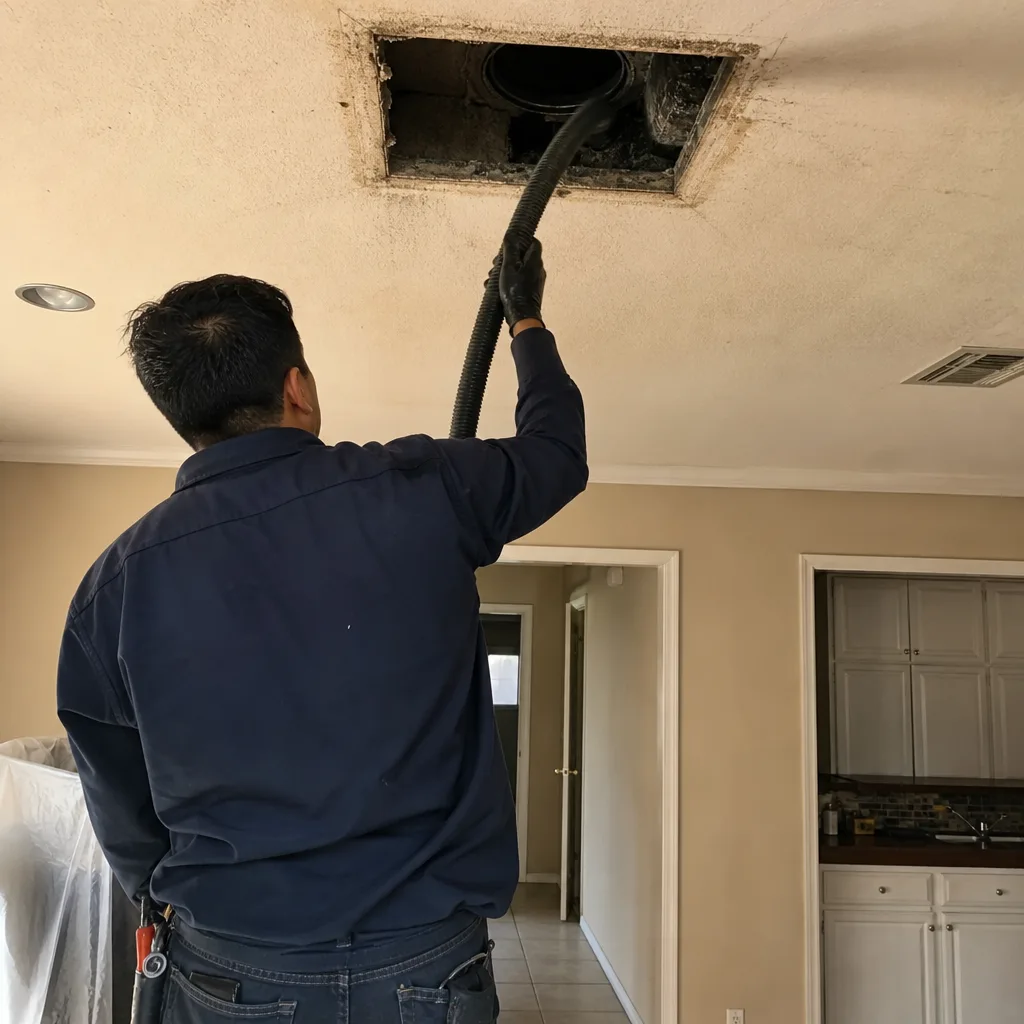 Before
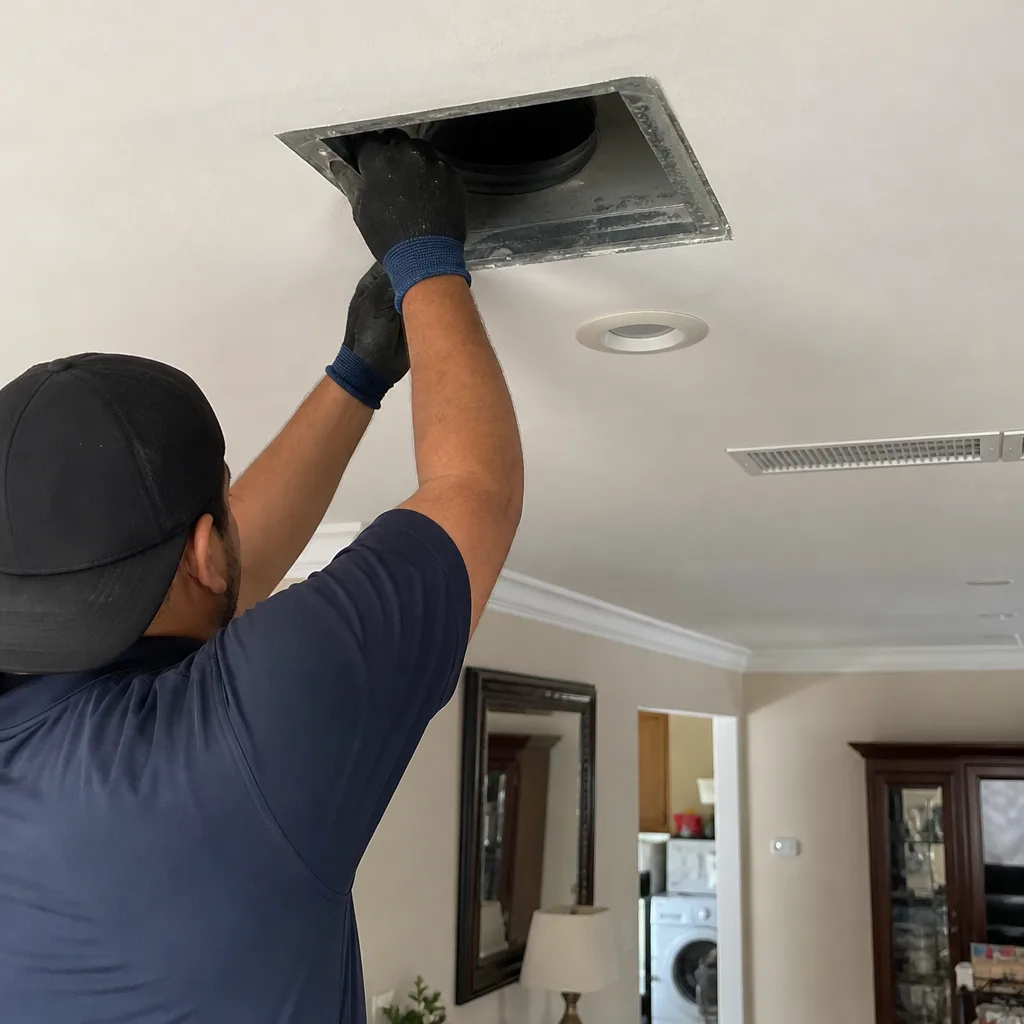 After
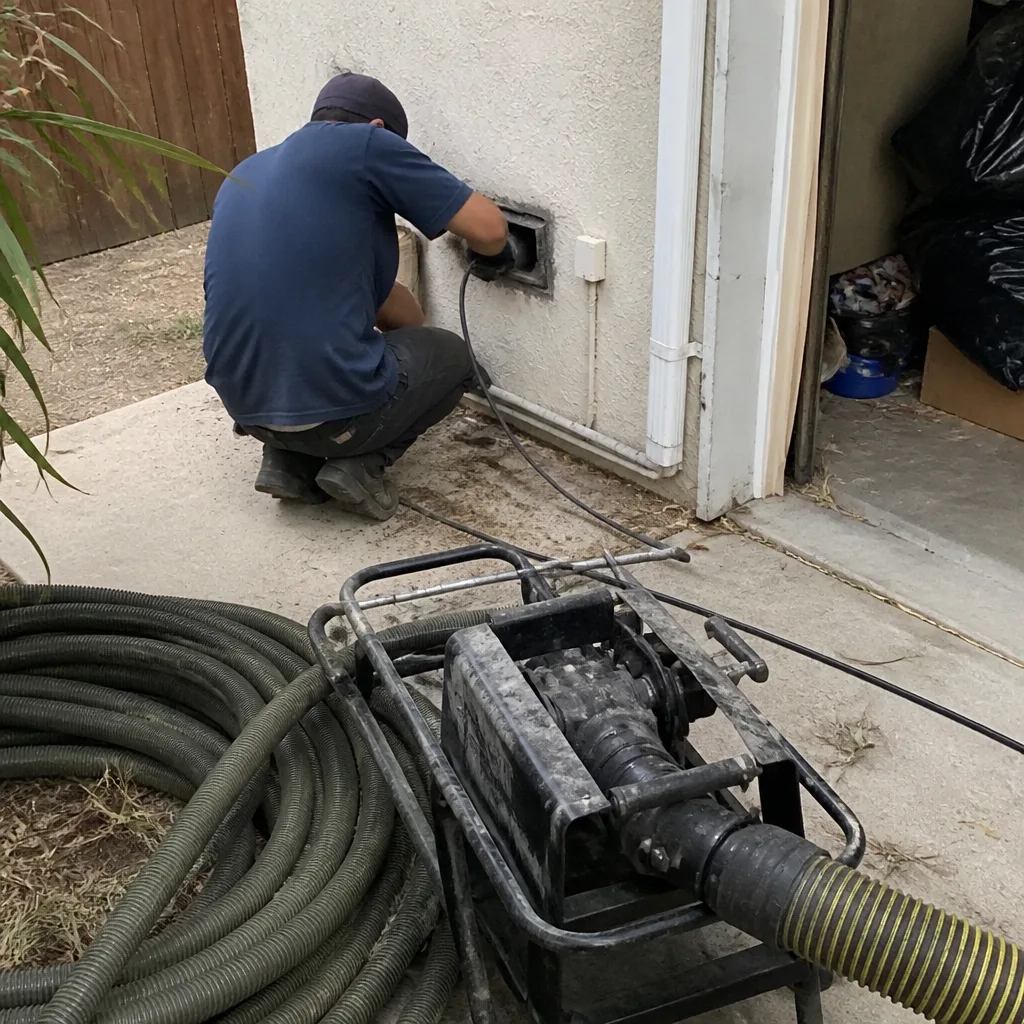 Before
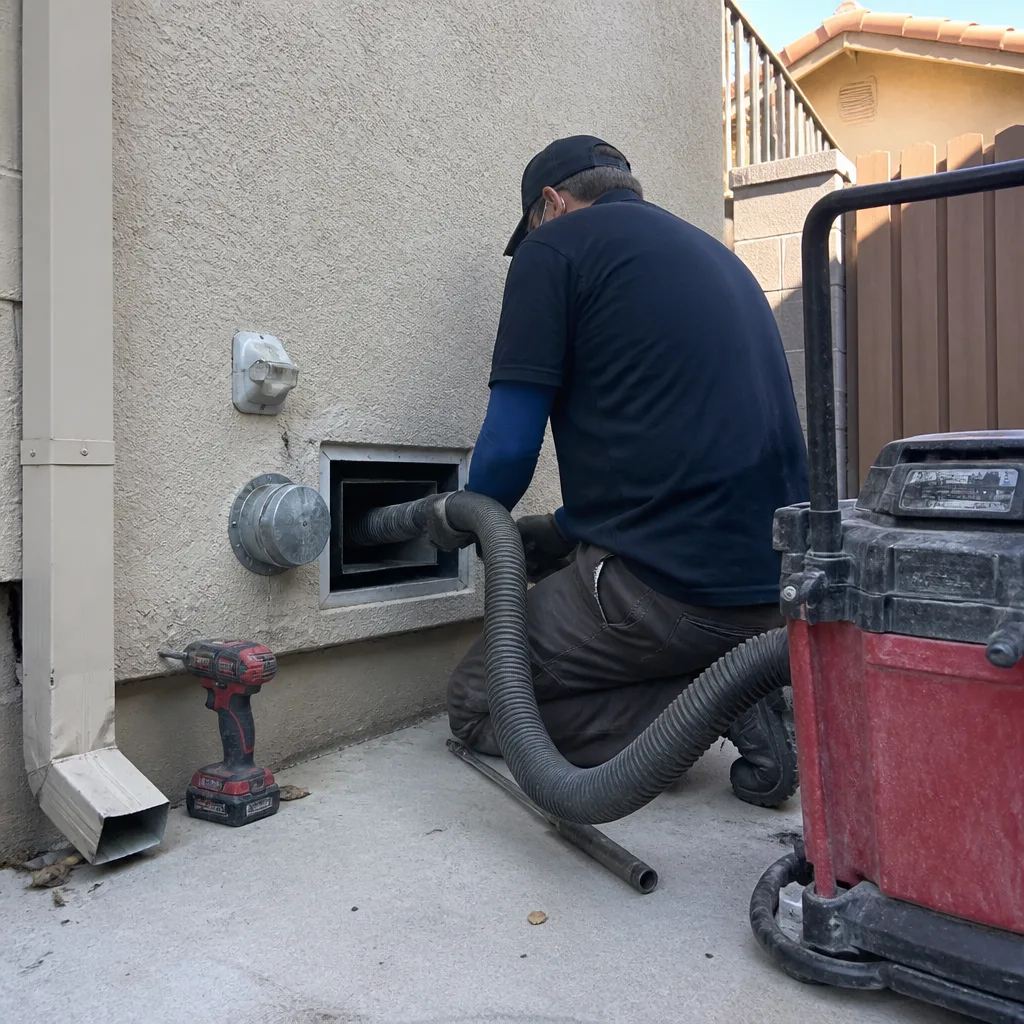 After
 Before
 After