Last updated November 3, 2026
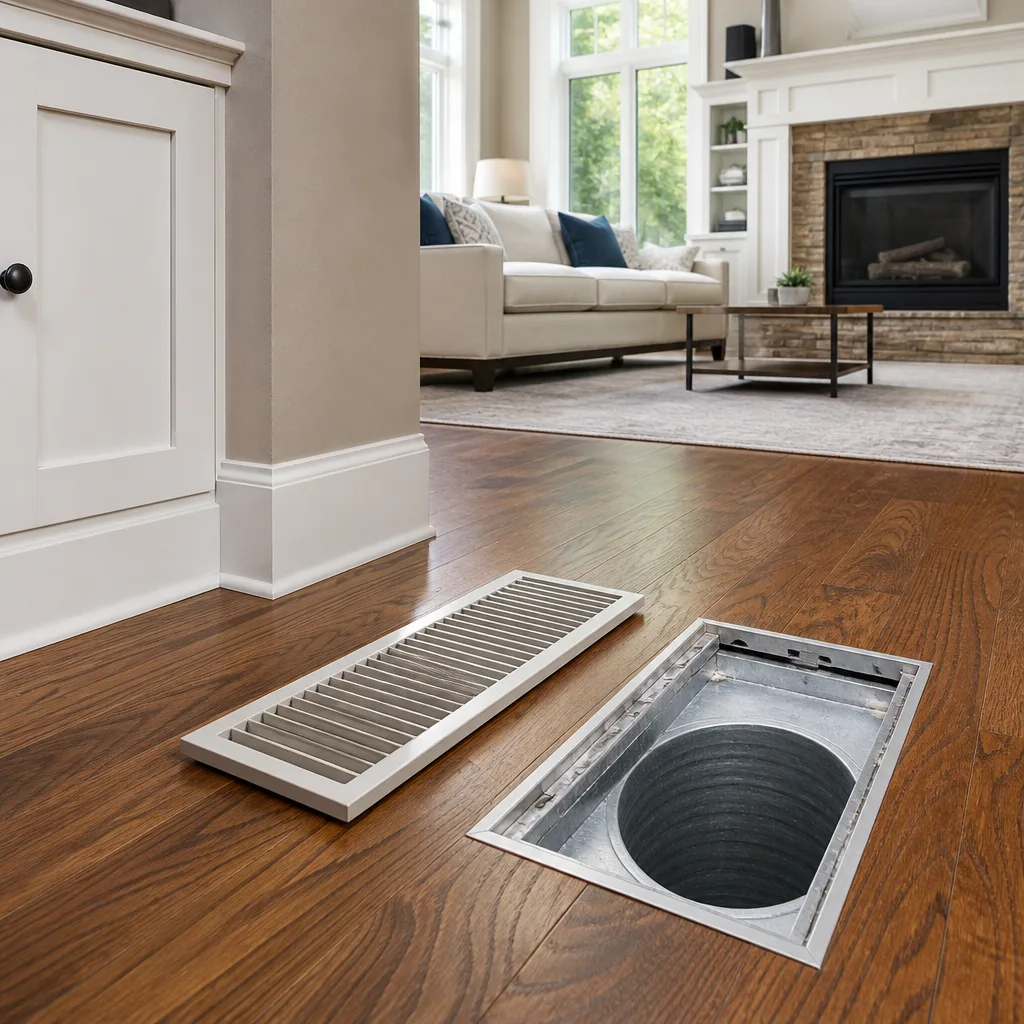 Whole-home duct cleaning
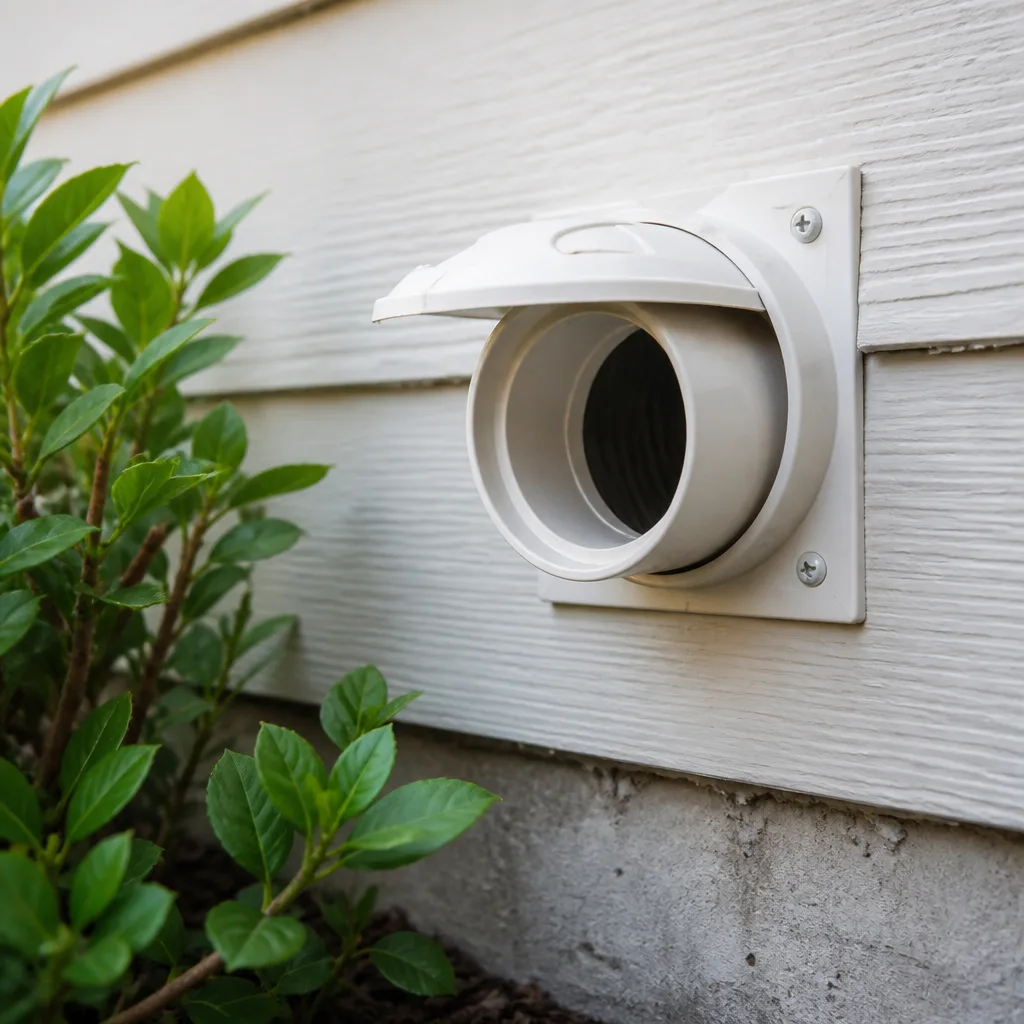 Dryer vent cleaning
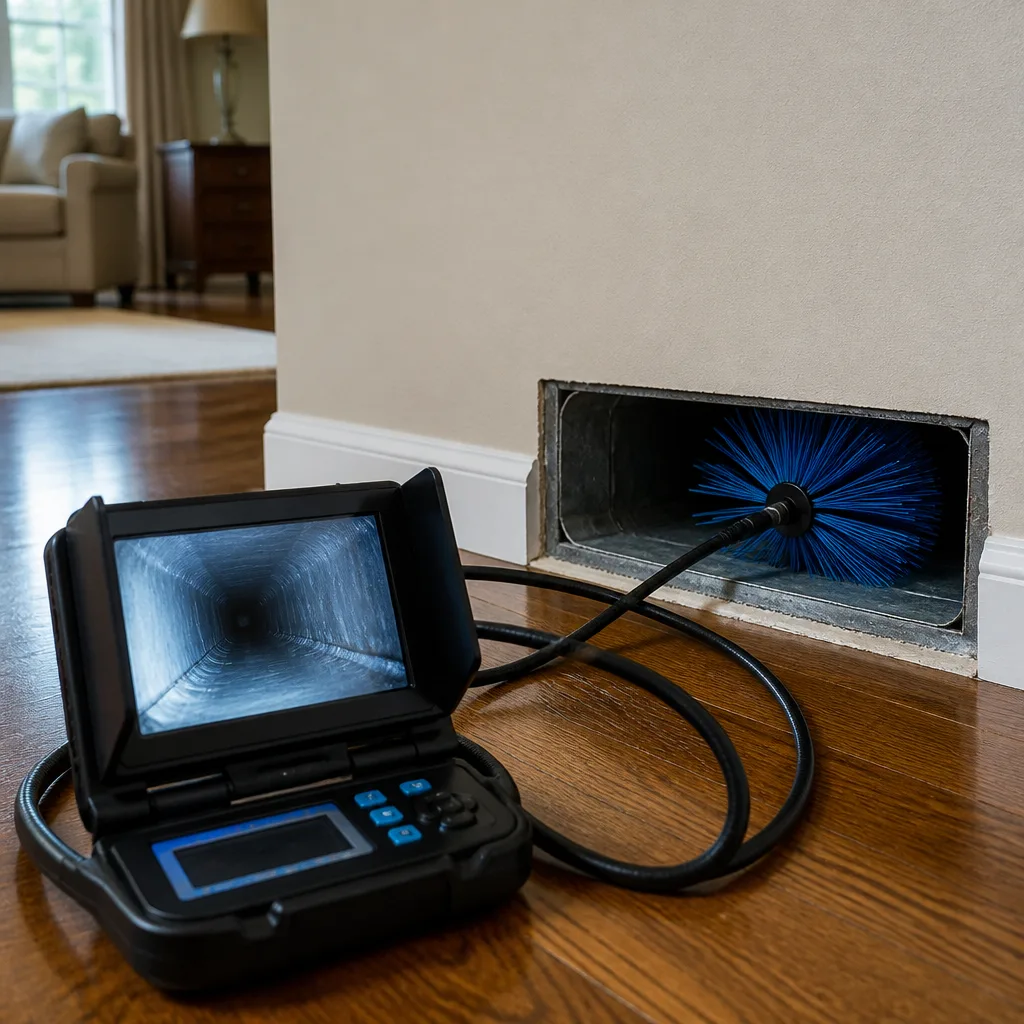 Camera inspection
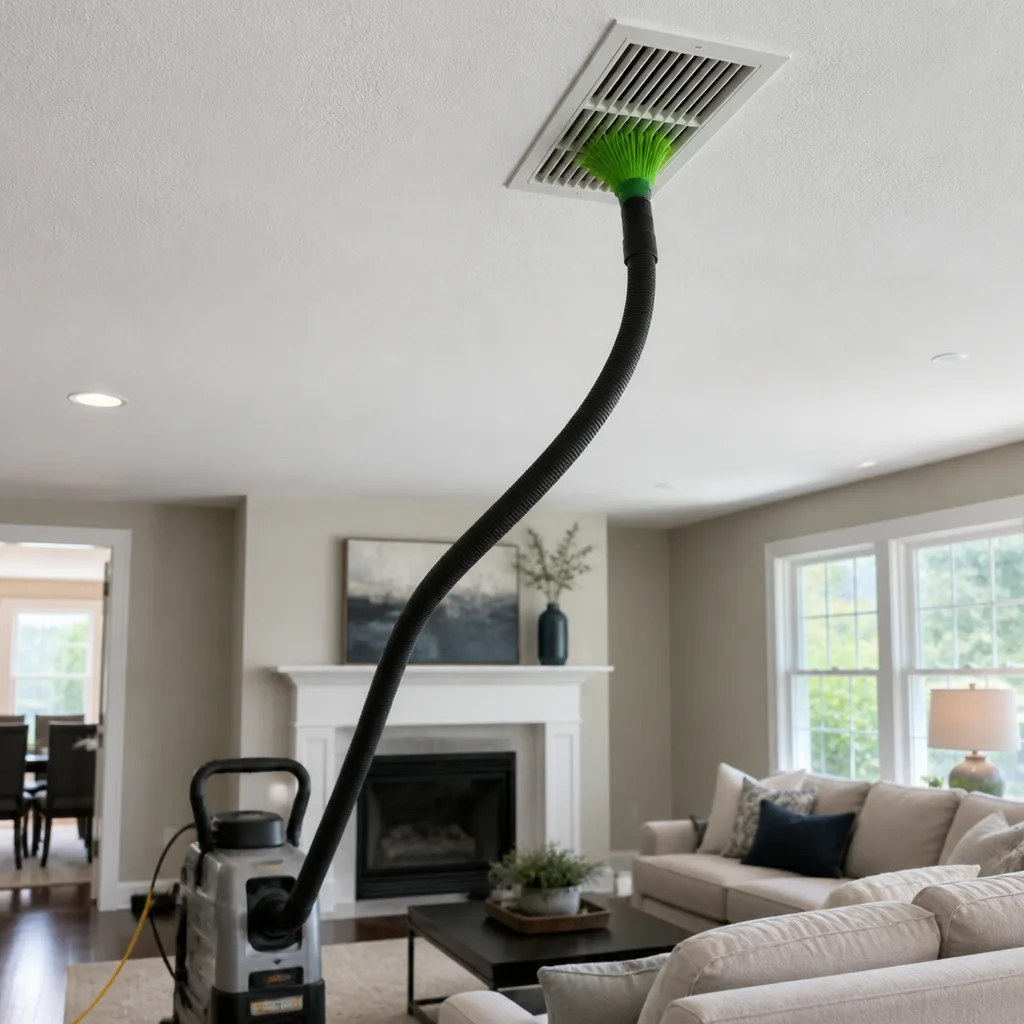 Sanitizing & deodorizing
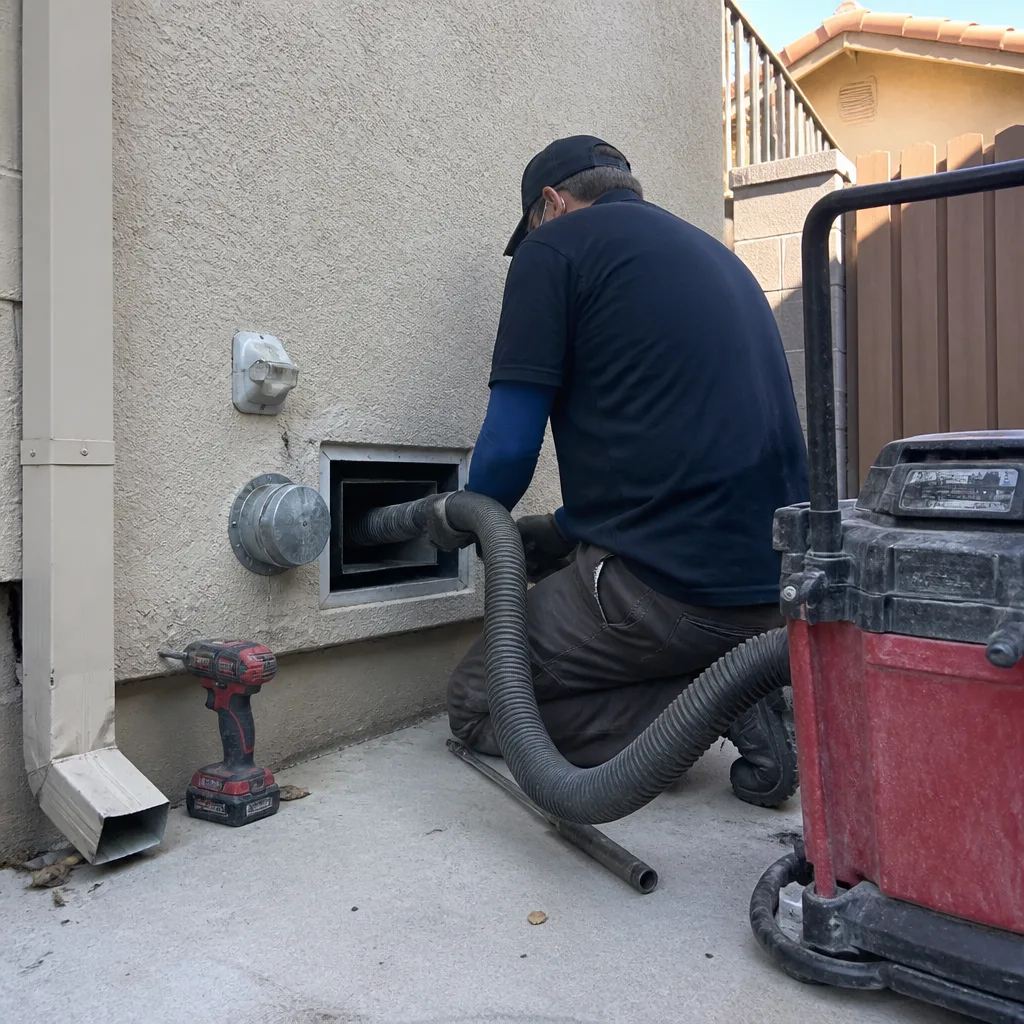
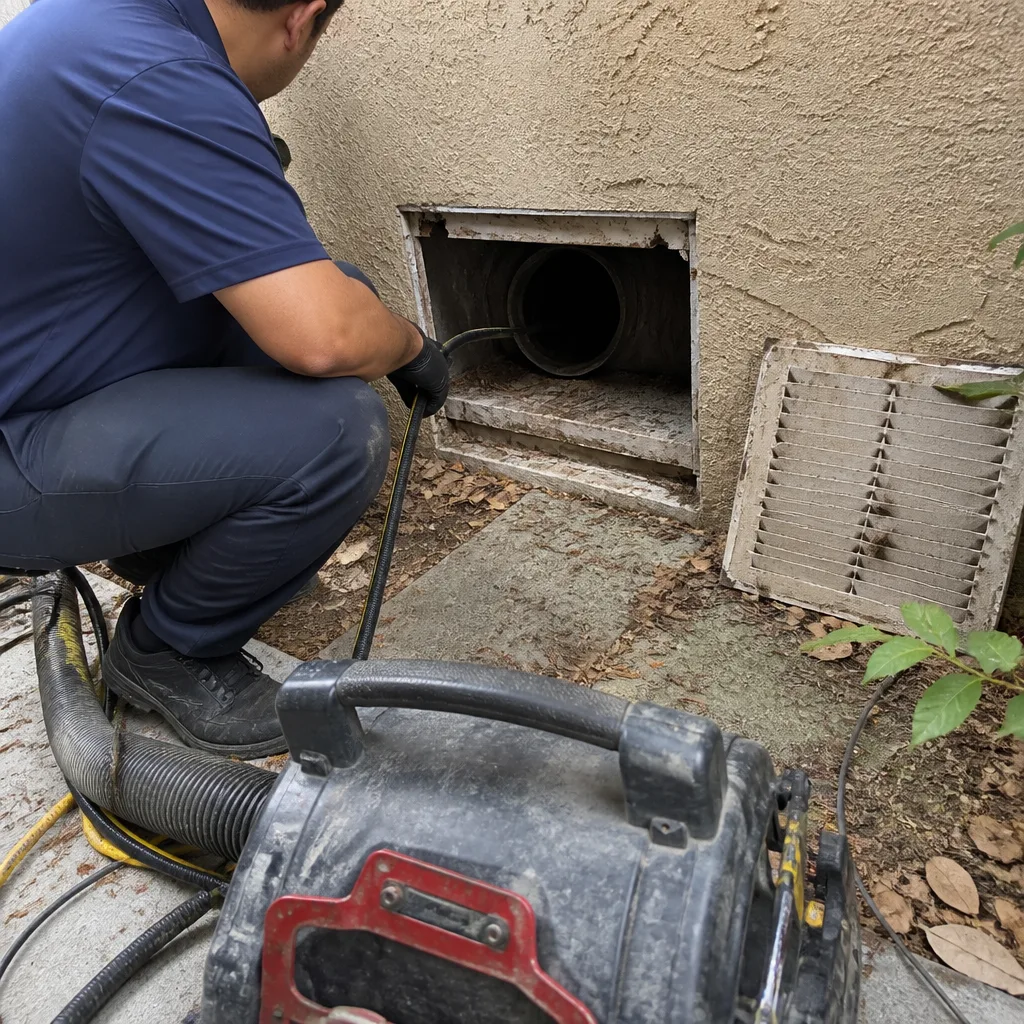
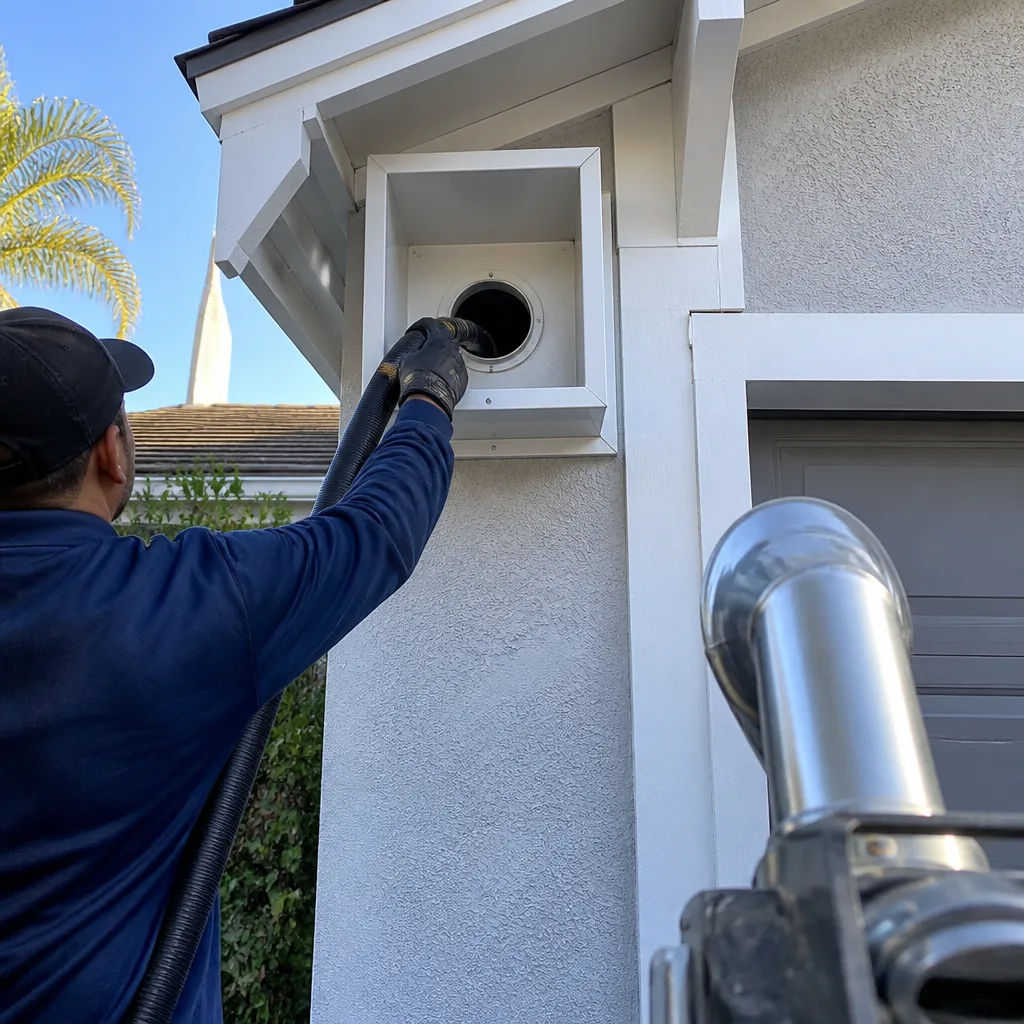
Whole-system duct and dryer vent check with before-and-after photos - you see exactly what came out of your vents
That "$99 whole-house special" is a bait ad - the real number appears once they are in your hallway, or the "clean" is a shop-vac at the register. We photograph the inside of your ducts before and after instead.
Choosing the Right Air Duct Cleaning Brand: A Buyer’s Guide for Anaheim
Rotobrush, Hypervac, Ram-Air, Abatement Technologies. Those names mean something to HVAC engineers and industrial hygienists. To most Anaheim homeowners, they’re just words on a flyer. That knowledge gap is precisely how under-equipped operators stay in business. They count on you not knowing that the equipment brand reveals more about the quality of your duct cleaning than any coupon price ever will. This guide closes that gap. You’ll learn what separates professional-grade duct cleaning systems from consumer rigs, why those names matter mechanically, and how to ask one question that exposes the difference in under ten seconds. If you’re comparing Air Duct Cleaning companies in Anaheim and want to evaluate them the way a building inspector would, this is your field manual.
Styles & brands we work with
- Whole-home duct cleaning
- Dryer vent cleaning
- Camera inspection
- Sanitizing & deodorizing
Quick Answer
Choosing the right air duct cleaning brand in Anaheim starts with one question: what specific equipment does the contractor actually run? Rotobrush rotary-brush systems mechanically agitate debris from duct walls, while truck-mounted negative-pressure units from Hypervac or Ram-Air create the suction power measured in CFM that actually removes what’s dislodged. Consumer-grade portable rigs can’t generate enough airflow to clean the long duct runs common in Anaheim’s single-family homes. Demand named equipment, not vague “professional-grade” claims.
Table of Contents
- Why Equipment Matters More Than Price
- Rotobrush Explained: Rotary Agitation vs. Suction Alone
- Hypervac and Ram-Air: Truck-Mount Negative Pressure Systems
- Why Truck-Mount Units Matter for Anaheim’s Housing Stock
- The NADCA ACR 2021 Equipment Standard, Translated
- How to Ask a Contractor About Their Equipment (and Hear the Truth)
- “We Use Professional Equipment”: Marketing Language vs. Reality
- Common Mistakes to Avoid
- When to Call a Professional
- Frequently Asked Questions
- The Bottom Line
Why Equipment Matters More Than Price
A $99 duct cleaning special in Anaheim tells you exactly one thing: the company is buying the job. What happens next is where equipment becomes the difference between a real cleaning and a theatrical one. The physics of duct cleaning are unforgiving. Debris doesn’t voluntarily leave a duct system. Something has to physically dislodge it from the walls, and something else has to pull it out of the system entirely. That second task requires genuinely powerful airflow, measured in cubic feet per minute, or CFM. A shop-vac-class portable unit generates maybe 500 to 700 CFM of static airflow through a hose. A professional truck-mounted negative-pressure machine from Hypervac or Ram-Air typically pulls 12,000 to 15,000 CFM. That’s not a 20% upgrade. That’s a different category of tool doing a different category of work. In our experience cleaning ducts throughout Anaheim, the single-family homes in neighborhoods like Anaheim Hills and West Anaheim have duct runs extending 30 to 50 feet from the plenum. A portable unit simply runs out of pull halfway down that run. The dirt stays put. You paid for a partial clean and didn’t know it. Equipment isn’t a detail. It’s the entire job.
Rotobrush Explained: Rotary Agitation vs. Suction Alone
Here’s the mechanical truth every Anaheim homeowner should know: suction alone cannot clean a duct. Dust, pet dander, construction debris, and the fine particulate that Anaheim’s dry Santa Ana winds push into homes all cling to duct surfaces through static charge and years of gradual compaction. A vacuum-only pass removes the loose stuff on top and leaves behind the adhered layer. That’s why professional systems pair suction with mechanical agitation. The Rotobrush system is a rotary-brush machine built exactly for that job. It spins stiff nylon or polypropylene bristles against the duct interior while a vacuum pulls debris out as it’s dislodged. The brush rotates at several hundred RPM, scrubbing the full circumference of the duct wall. Rotobrush works particularly well on the flexible duct common in Anaheim’s newer subdivisions and on rigid round metal duct found in older ranch homes. The bristles conform to the duct’s shape without tearing the liner, which matters more than you’d think. Damage a flex duct liner and you’ve created a tear that leaks conditioned air into the attic. That’s a repair, not a clean. Rotobrush isn’t the only rotary system on the market, and no single brand fits every duct type. But if a contractor names their agitation method without hesitation, that’s already a signal they’re running professional-grade gear. When we clean ducts in Anaheim, we run Rotobrush equipment because Anaheim’s mix of 1960s metal duct and 1990s flex duct demands a system that adapts to both.
Hypervac and Ram-Air: Truck-Mount Negative Pressure Systems
Rotary brushes dislodge. Negative-pressure machines remove. You need both, working in sequence, for a genuine clean. Truck-mounted negative-pressure systems are the industrial backbone of professional duct cleaning. They sit in a van or trailer outside the home and connect to the duct system through a large-diameter hose, typically 8 to 12 inches. The machine creates enough airflow to pull dislodged debris all the way from the farthest register to the collection unit, not just stir it around and let it resettle. Hypervac and Ram-Air are the two brands most commonly seen on inspection reports and IAQ contractor equipment lists. Hypervac units are known for their high-static pressure recovery, meaning they maintain suction even through long hose runs and tight ductwork. Ram-Air systems emphasize raw CFM throughput, which moves large volumes of air quickly. Both are legitimate professional tools. The distinction matters less than the category they represent. A truck-mounted unit pulling 12,000-plus CFM through your duct system is a fundamentally different operation than a portable canister on wheels in your hallway. The truck unit removes contaminants from the house. The portable unit recirculates at least some of them back into the room. If you want to evaluate any Anaheim duct cleaning quote, the question isn’t “do you have a vacuum?” It’s “what is your negative-pressure CFM rating, and is it truck-mounted or portable?” The answer tells you which category you’re really buying.
Why Truck-Mount Units Matter for Anaheim’s Housing Stock
Anaheim’s housing stock is dominated by single-family detached homes, most built between the 1950s and the 1990s. That matters for duct cleaning equipment selection more than any other factor. Detached homes have longer, more complex duct runs than apartments or condos. A typical Anaheim ranch in the Colony district might have a main trunk line running 40 feet across the attic with six or eight branch lines tapping off it. A two-story home in Anaheim Hills runs ductwork vertically through walls and floor joists, adding dozens of feet of effective resistance. Every foot of duct adds static pressure loss. Every elbow, every transition, every register boot shaves more airflow. By the time a portable unit’s pull reaches the far end of a 50-foot duct run in a two-story Anaheim home, there’s essentially nothing left. The debris stays in place. The homeowner gets billed anyway. Truck-mounted negative-pressure systems solve this with sheer airflow volume. At 12,000 to 15,000 CFM, there’s enough pull to maintain suction at the farthest register even in larger homes. We’ve seen the difference in the field. In Anaheim, where summer attic temperatures regularly exceed 140 degrees and force flex duct to expand and sag, duct runs get longer in effective terms than their measured length. You need reserve airflow capacity to overcome that. Portable units don’t have it. Truck-mount units do.
The NADCA ACR 2021 Equipment Standard, Translated
NADCA, the National Air Duct Cleaners Association, publishes the ACR (Assessment, Cleaning, and Restoration) standard. The 2021 revision includes specific equipment performance requirements that every Anaheim homeowner should know about, because they give you a benchmark number to quote when evaluating contractors. Here’s the plain-English version:
- Negative air machines must be capable of maintaining sufficient airflow to transport debris from the farthest point in the duct system to the collection device. NADCA doesn’t publish a single minimum CFM because system sizes vary, but any contractor working on Anaheim’s average 1,800 to 2,800 square foot detached home needs truck-mount-class airflow. A 1,000 CFM portable unit cannot meet this standard on a 50-foot run.
- Agitation devices must physically contact the duct surfaces being cleaned. Air washing alone, where a high-velocity air stream is blasted through the duct without any brush contact, does not meet the standard for removing adhered debris. This is why rotary-brush systems like Rotobrush exist.
- Collection devices must prevent cross-contamination of the living space. Any debris pulled from the duct system must be contained. Truck-mounted units exhaust outside. Portable units exhaust inside unless equipped with HEPA filtration. If the HEPA filter is missing or clogged, the unit is blowing duct debris into your Anaheim living room.
- Access openings must be properly cut and resealed after service. Some duct systems require cutting service access holes. The standard requires those openings be sealed with materials rated for HVAC use, not duct tape. Duct tape fails in attic heat. Ask your contractor what they use to seal access holes.
If a contractor can speak to the NADCA ACR 2021 equipment sections confidently, they’re running legitimate professional equipment. If they blink and change the subject, you have your answer.
How to Ask a Contractor About Their Equipment (and Hear the Truth)
Most Anaheim homeowners don’t ask about equipment because they don’t want to sound uninformed. That instinct costs money and air quality. Here’s how to ask the right questions and evaluate the answers like a building inspector would. Use these steps:
- Ask for the specific equipment brands and model names. Not “what kind of equipment do you use” but “what brand and model of negative-pressure machine and agitation device do you run?” A legitimate contractor answers in three seconds: “Hypervac and Rotobrush.” A discount operator says “oh, you know, commercial-grade stuff.”
- Ask for the CFM rating of the negative-pressure unit. If the answer is under 3,000 CFM, that’s portable-class. For Anaheim detached homes, you want 10,000 CFM or better from a truck-mounted unit. If the contractor doesn’t know their own CFM rating, they don’t actually operate the equipment they claim to have.
- Ask whether the vacuum unit is truck-mounted or portable. There are legitimate professional portable units with HEPA filtration, but they’re the exception. In Anaheim, where most jobs are whole-house duct systems in detached homes, truck-mount is the appropriate tool for nearly every job.
- Ask how they agitate the duct walls. The answer should include a named mechanical method: rotary brush, cable-driven whip, pneumatic agitation. If the answer is “powerful suction pulls everything off,” the contractor is describing a method that physically cannot remove adhered debris.
- Ask about containment and filtration. Does the setup include containment equipment to keep displaced dust out of living spaces? Is there HEPA filtration on the exhaust side? Professional operators run containment because they know cleaning a duct system disturbs material that hasn’t moved in decades.
- Ask what happens if the cleaning reveals damaged ductwork. This is the question that separates cleaning-only operators from full-service duct specialists. Torn flex duct, disconnected joints, collapsed sections. These are common findings in Anaheim attics. If the answer is “we’d have to refer you to someone else,” you’re dealing with a company that stops at the surface. We at Duct Cleaning Anaheim home include Air Duct Repair in Anaheim as a standard companion service because cleaning reveals damage, and a job half-finished isn’t done.
“We Use Professional Equipment”: Marketing Language vs. Reality
Every duct cleaning company in Anaheim says they use professional equipment. The phrase does no work anymore. What separates legitimate remediation-grade operators from discount cleaners is what happens when you press for specifics. Here’s the translation table for common marketing language:
- “Professional-grade equipment” means nothing. Ask for the brand name. A real professional has one. This phrase alone is a yellow flag.
- “Truck-mounted system” is a good sign if it’s true. Ask for the CFM rating to confirm. Some operators rent or borrow a truck-mount for photos and run portable units on jobs.
- “HEPA filtration” is meaningful, but only if the filter is actually installed and maintained. A dirty HEPA filter performs worse than a clean standard filter. Ask when the filter was last changed.
- “Rotary brush technology” is specific. It means the contractor runs a mechanical agitation system. If they use this phrase, ask which brand. Rotobrush is immediate confirmation.
- “NADCA certified” is meaningful for the technician. NADCA certifies individuals, not companies, and requires continuing education. But certification alone doesn’t guarantee the equipment on the truck. Pair this with equipment questions.
- “Full containment” referencing Abatement Technologies equipment is a strong signal. Abatement Technologies builds air filtration and negative-air machines for mold remediation and asbestos abatement. Using that class of equipment for duct cleaning means the operator runs containment-grade gear, not consumer-grade.
The through-line: specific brands, specific numbers, and specific procedures indicate a real operation. Vague adjectives indicate a real marketing budget and a questionable truck. In Anaheim’s competitive duct cleaning market, the equipment question is the fastest way to sort legitimate operators from discount jobs.
Common Mistakes to Avoid
- Choosing by price first. The $99 whole-house duct cleaning special in Anaheim is a bait price. The crew that shows up runs a portable unit, cleans the first 10 feet of accessible duct, and bills an upcharge on the drive. Equipment quality and price are correlated. We’ve never seen a legitimate truck-mount operation run a $99 special.
- Believing “certified” means “equipped.” Certification verifies that someone passed a test on cleaning procedures. It says nothing about what’s on the truck. Ask about certification and equipment separately. Both matter.
- Skipping the dryer vent while cleaning the ducts. The dryer vent is the highest-fire-risk exhaust in the home. The U.S. Fire Administration attributes thousands of house fires annually to clogged dryer vents. If a company cleans your ducts but doesn’t offer Dryer Vent Cleaning in Anaheim, they’re leaving the most dangerous component unaddressed.
- Assuming all flex duct damage can be seen without a camera. Anaheim’s attic heat degrades flex duct liner over years. Tears develop in sections inaccessible without inspection tools. If the cleaning contractor doesn’t inspect with a camera or equivalent, you won’t know the condition of your ducts until conditioned air starts disappearing into the attic.
- Not asking about access hole sealing methods. Access holes cut into ductwork for cleaning must be resealed with mastic or metal tape rated for HVAC temperatures. Regular duct tape fails in Anaheim attic heat within a season or two. Ask what they seal with. The answer matters.
- Falling for before-and-after photos from a different house. Request photos of your ducts during your job, including inaccessible sections. Legitimate operators run cameras and document the work. If the contractor balks at showing you your own ductwork, the cleaning wasn’t as thorough as claimed.
- Treating duct cleaning as a standalone service when the system has damage. Cleaning a torn flex duct is like vacuuming a carpet with a hole in the floor. Air passes through, but the system’s still broken. In Anaheim homes older than 20 years, we find damaged duct in roughly one of every three systems. If damage is present, Air Duct Cleaning in Anaheim should be paired with repair, not scheduled separately by a different contractor weeks later.
When to Call a Professional
You should call a professional duct cleaner in Anaheim if you’ve lived in your home more than five years and can’t remember the last cleaning, if rooms accumulate dust within days of wiping surfaces, if any household member has unexplained allergy symptoms that worsen indoors, or if you’ve completed a remodel that generated drywall or flooring dust. For more guides & resources, visit our blog. You should also call after purchasing a home, since previous owners rarely clean ducts before selling and you’re inheriting their accumulated particulate. If your dryer takes more than one cycle to dry a normal load, that’s a vent restriction requiring professional attention regardless of when the ducts were last cleaned. Duct Cleaning Anaheim offers free estimates in Anaheim and can evaluate your system’s condition with professional inspection tools. Call (866) 596-8314 to schedule an assessment. We’ll tell you honestly whether the system needs cleaning or not.
Frequently Asked Questions
Ask for the brand and CFM rating of their negative-pressure machine. A legitimate professional operation will name a truck-mounted system like Hypervac or Ram-Air with at least 10,000 CFM and pair it with a mechanical agitation device like a Rotobrush. Vague answers about “commercial-grade equipment” indicate a portable rig. Call (866) 596-8314 and we’ll walk you through what’s on our trucks.
Portable units struggle with any duct run longer than about 20 feet, even in smaller homes. Most Anaheim homes have runs extending 30 feet or more into attics, so portable-class equipment under-cleans the farthest sections. Professional truck-mounted systems maintain adequate suction at distance. If you’re comparing quotes, ask the contractor to explain how they’ll clean your farthest register.
Suction alone removes only loose debris sitting on duct surfaces. A rotary brush mechanically scrubs the duct walls, dislodging the adhered dust, pollen, and pet dander that suction can’t lift. The brush agitates while the vacuum extracts. Suction-only passes leave behind the majority of the material that’s actually affecting your air quality. That’s why Rotobrush and similar agitation devices are non-negotiable for a real clean.
HEPA filtration matters when the vacuum unit exhausts inside your home, which portable units do. A HEPA filter rated at 99.97% efficiency at 0.3 microns keeps dislodged debris from recirculating into your living space. Truck-mounted units exhaust outside, making HEPA less critical but still relevant for containment. In Anaheim, where outdoor pollen and Santa Ana dust complicate indoor air quality, containment during cleaning is essential. We run Abatement Technologies filtration gear to keep displaced material out of your home.
No, NADCA doesn’t endorse specific brands. The ACR 2021 standard specifies performance requirements: the equipment must move sufficient air to transport debris from the farthest reaches of the system, agitate surfaces mechanically, and prevent cross-contamination. Brands like Rotobrush, Hypervac, and Ram-Air happen to meet those requirements consistently. Ask any contractor you’re considering to explain how their equipment meets the ACR standard. If they can’t, keep looking.
Every three to five years for most Anaheim homes, sooner if you have pets, live near a construction zone, experience seasonal wildfire smoke that infiltrates your HVAC system, or have household members with respiratory conditions. The Santa Ana winds push fine particulate through every exterior envelope gap, and that material settles in ductwork. See The Complete Air Duct Cleaning Guide for Anaheim Homeowners for additional local factors. If you can’t remember the last cleaning, it’s probably time. Duct Cleaning Anaheim provides free estimates at (866) 596-8314.
The Bottom Line
Choosing the right air duct cleaning brand in Anaheim comes down to asking a question most competitors hope you won’t ask: what equipment will actually be on the truck? Rotobrush rotary agitation paired with truck-mounted negative pressure from Hypervac or Ram-Air represents the professional standard. HEPA filtration and containment equipment protect your living space during the job. Specifics reveal the real operator. Vague marketing language hides the discount rig. Your ducts are a mechanical system that accumulates Anaheim’s dust, pollen, and particulate for years between cleanings. Clean them with equipment that can actually reach the whole system, or don’t clean them at all. The answer to the equipment question tells you which company you’re really hiring.
Written by the team at Duct Cleaning Anaheim, serving Anaheim since 2011.
See the difference
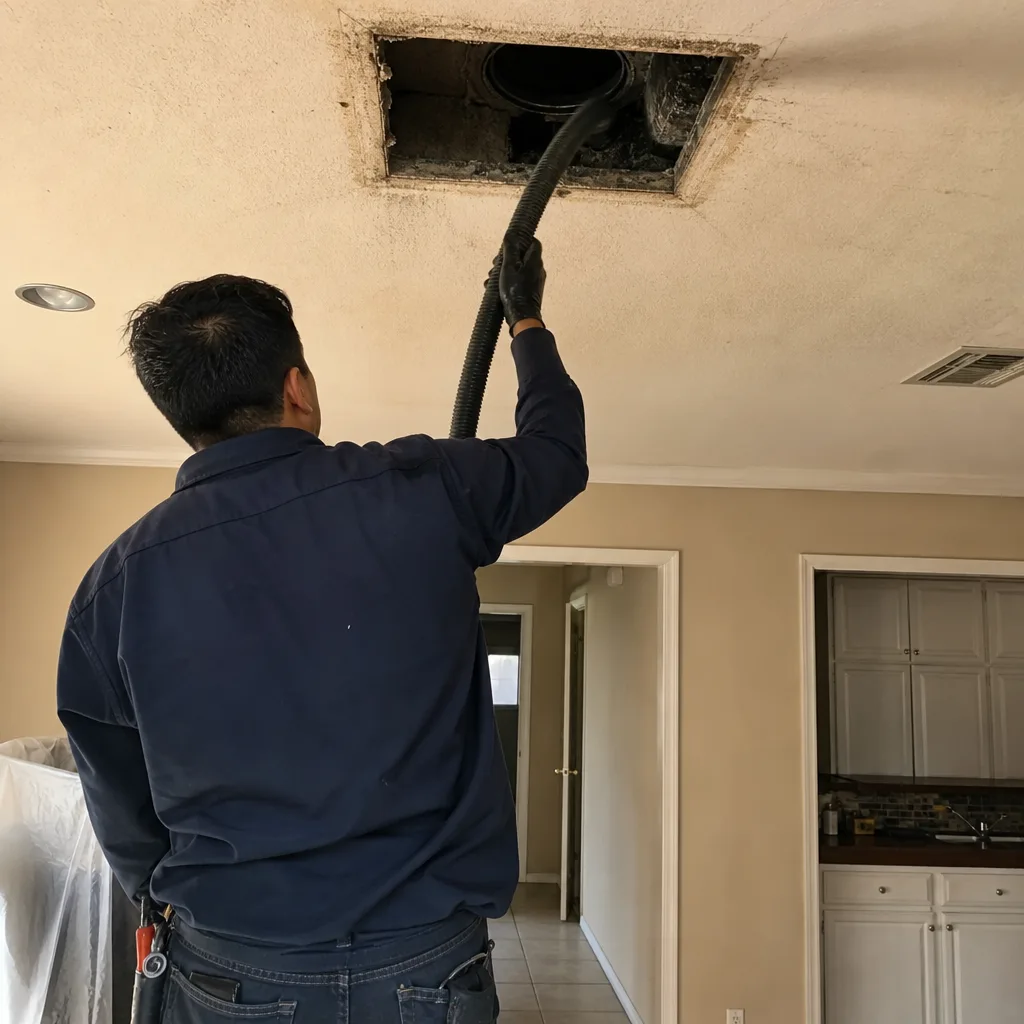 Before
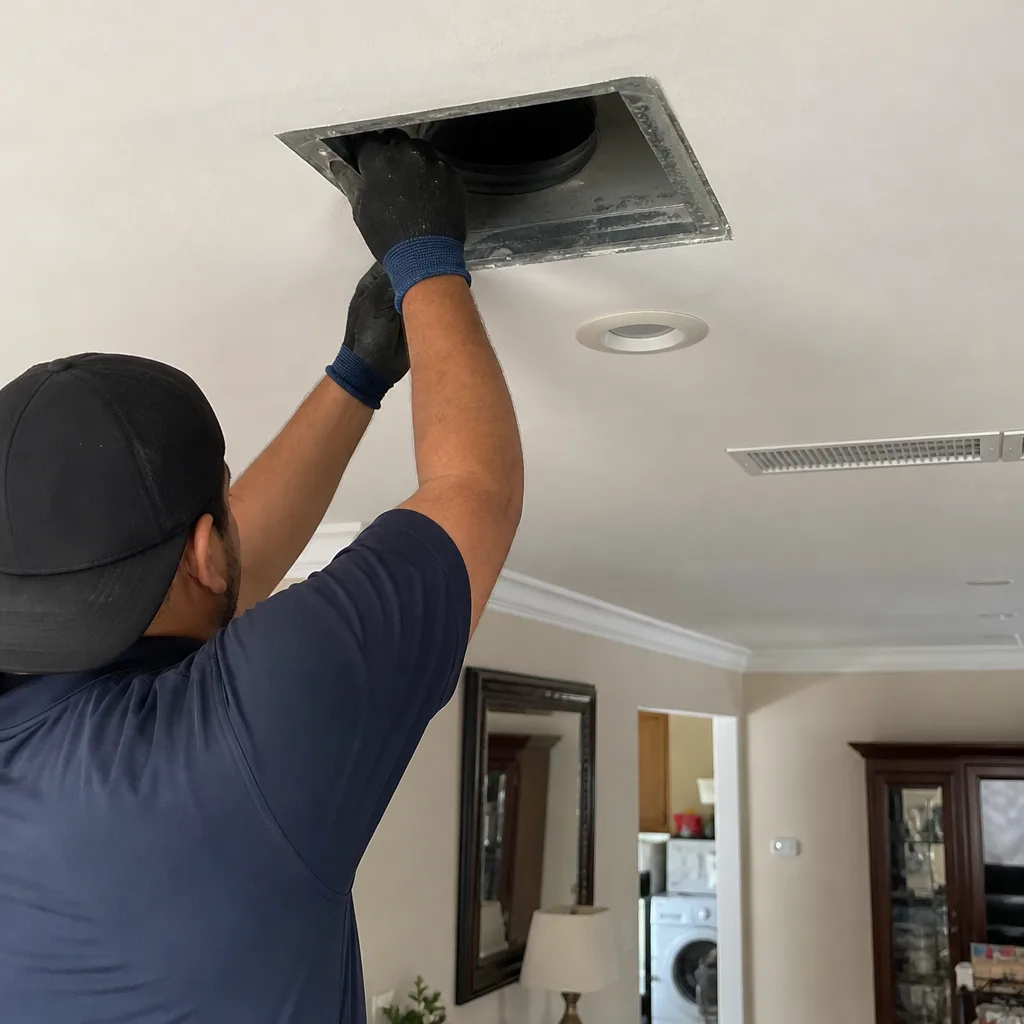 After
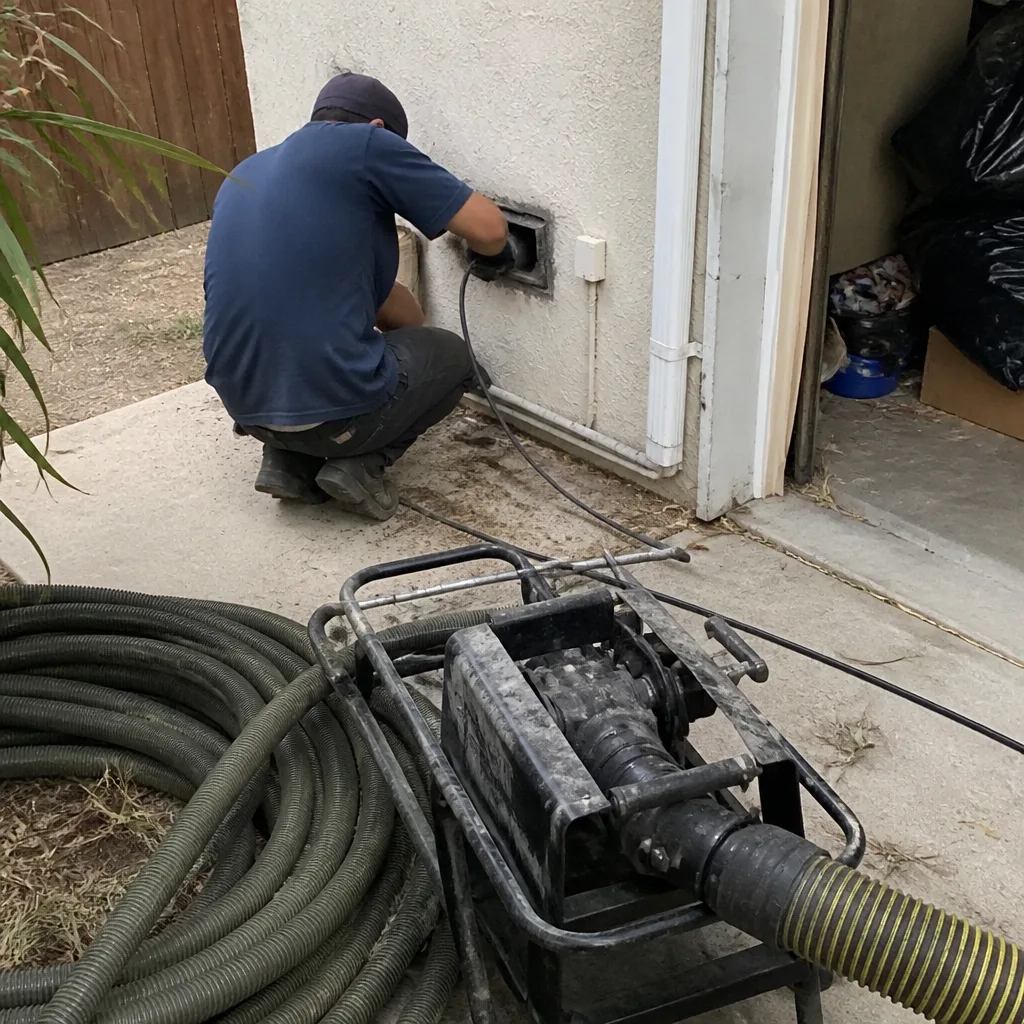 Before
 After
 Before
 After